Litter box changes are often one of the first ways cats tell us something isn’t quite right. Sometimes it’s subtle, like a shift in frequency or consistency. Other times, it’s more noticeable, like seeing blood in cat poop.
That can be unsettling, especially since cats tend to hide discomfort. In many cases, the cause is manageable. In others, it’s a sign that your cat needs veterinary attention. Knowing what to look for and how to respond can help you act quickly without overreacting.
What Does Blood in Cat Stool Look Like?
Blood in cat stool doesn’t always appear the same way, and the way it looks can offer important clues about where the issue is coming from in the digestive system.
Black Cat Stool (Melena)
Black, tar-like stool usually means the blood has been digested. This often points to bleeding higher up in the digestive tract, such as the stomach or small intestine, and typically requires prompt evaluation.
Bright Red Blood in Cat Stool
Fresh, bright red blood is easier to spot and usually comes from the lower digestive tract, like the colon or rectum. You might notice streaks on otherwise normal stool or small amounts in the litter box.
Bright Red Blood & Diarrhea
When loose stool is mixed with visible blood, it often indicates inflammation or irritation in the colon. This can happen with infections, parasites, or dietary issues.
Blood & Mucus in Cat Poop
Mucus often appears as a jelly-like coating and is commonly seen with inflammation of the colon. When paired with blood, it may suggest conditions like colitis.
Liquid & Watery Blood
In more severe cases, you may see watery stool with significant bleeding. This can indicate more advanced irritation or infection and should be evaluated quickly.
Blood Clots in Cat Stool
Blood clots may appear as darker red or jelly-like pieces within the stool. These can be associated with more significant inflammation or bleeding in the lower digestive tract.
Why Is My Cat Pooping Blood? Common Causes
If you’re asking yourself, “Why does my cat have blood in his poop?”, the answer can vary widely. Some causes are short-term and resolve with care, while others need more in-depth treatment.
Diarrhea
Diarrhea can irritate the intestinal lining, leading to small amounts of bleeding. You may notice cat diarrhea and blood mixed into loose stool, especially if episodes are frequent.
Constipation & Hard Stool
Straining to pass hard stool can cause small tears in the rectum and anus, resulting in fresh blood. This is often seen as streaks on the surface of stool, which is typically well-formed.
Intestinal Parasite Infections
Parasites such as Giardia, roundworms, or coccidia can damage the intestinal lining, leading to inflammation and blood in a cat’s poop, particularly in kittens or outdoor cats.
Dysfunction of Kidneys or Liver
Organ dysfunction conditions affecting the liver or kidneys can impact digestion and clotting, sometimes leading to blood in stool in cats that require medical management.
Inflammatory Bowel Disease (IBD)
IBD in cats causes chronic inflammation in the digestive tract and can lead to recurring diarrhea, weight loss, and visible blood in stool.
Bacterial, viral or fungal infections in cats can irritate the gastrointestinal tract and disrupt normal digestion. Some may cause acute symptoms, while others develop gradually.
Foreign Bodies & Objects
Cats may ingest string, plastic, or other materials that irritate or damage the digestive tract. This can lead to bleeding, vomiting and discomfort.
Cancer & Growths
Tumors or abnormal growths in the digestive system can cause persistent or worsening symptoms, including bleeding.
Toxins & Chemicals
Exposure to certain toxins, including chemicals or plants, can damage the gastrointestinal lining and interfere with clotting.
Stress
Stress can impact gut health in cats, sometimes leading to inflammation and changes in stool, including small amounts of blood.
Medications
Some medications may irritate the digestive tract or alter gut balance, leading to temporary bleeding.
Food Changes & Adverse Reactions
Sudden diet changes or food sensitivities can upset the digestive system. In some cases, you may notice cat poop with blood during the transition period.
Trauma & Procedures
Recent trauma, procedures or injury to the rectal area can result in temporary bleeding.
Should I Worry If My Cat Has Blood in Their Stool?
It depends on how much blood you’re seeing, how long it’s been happening, and how your cat is acting overall. A small amount of blood that appears once may not be urgent, but it should still be monitored closely. Make sure to investigate who has the blood in their stool if you have more than one cat by using separate litter boxes and observing closely, if possible.
Urgent Symptoms & When to See a Vet
Seek veterinary care if you notice:
- Blood that continues for more than 24–48 hours
- If the blood appears, resolves, and then starts again
- Large amounts of blood or worsening stool quality
- Lethargy, hiding, or behavior changes
- Loss of appetite or weight loss
- Vomiting alongside stool changes
- Signs of pain or straining
If your cat has diarrhea with blood or seems uncomfortable, it’s best to have them evaluated sooner rather than later.
How Do Vets Diagnose Bloody Poop in Cats?
Diagnosing the cause starts with a conversation. Your veterinarian will ask about diet, litterbox habits, recent changes, and any other symptoms you’ve noticed. Even small details can help narrow things down.
A physical exam follows, focusing on hydration, abdominal comfort, and overall condition. Diagnostic testing may include:
- Fecal testing to check for parasites
- Bloodwork to evaluate organ and metabolic function and overall health
- Imaging, such as X-rays or ultrasound, if a blockage or internal issue is suspected
- Additional testing for infections or chronic conditions if symptoms persist
Because bloody stool in cats can have many causes, testing helps ensure the right treatment approach.
Blood in Cat Stool Treatment
Treatment depends on the underlying cause, but most plans focus on reducing inflammation, addressing infection, and supporting the digestive system.
For mild cases, dietary adjustments may be recommended to give the gut a chance to settle. This can include easily digestible foods or prescription diets designed for gastrointestinal support.
If parasites are identified, targeted medications are prescribed to eliminate them. Infections may require antibiotics or other medications, depending on the cause.
Cats that are dehydrated or not eating well may need supportive care, such as fluids or appetite support. In more complex cases, treatment may involve managing chronic conditions or addressing structural issues within the digestive tract.
If your cat has blood in his stool, following your veterinarian’s recommendations closely is key to recovery.
Need Veterinary Assistance? Find an UrgentVet Near You!
If your cat isn’t improving, seems uncomfortable, or you’re unsure what’s normal, UrgentVet is here to help. With clinics across the U.S., you can walk in or book an appointment online for prompt, compassionate care.
Our teams are experienced in evaluating concerns like cat blood in stool and can guide you through next steps with clarity and reassurance. Our flexible scheduling options make it simple to get the care your pet needs. Find your nearest UrgentVet location today!
FAQs About Blood in Cat Stool
Why Is My Cat Pooping Blood but Acting Normal?
In some cases, mild irritation or dietary changes can cause visible bleeding without affecting behavior. However, even if your cat seems fine, ongoing symptoms should be evaluated.
Is Bloody Cat Poop an Emergency?
It can be. Small, short-term changes may not be urgent, but large amounts of blood, worsening symptoms, or additional signs like vomiting or lethargy should be addressed quickly.
Can Cats Have Blood in Poop From Straining?
Yes. Constipation or straining can cause small tears in the rectum, leading to fresh blood on the stool.
Why Is My Cat Pooping Jelly-Like Substance With Blood?
This often points to inflammation in the colon, where mucus and blood can appear together. It may be related to infection, stress, or dietary issues.
What Does It Mean When There Is Blood in Cat Stool and It’s Very Smelly?
Strong odor combined with bleeding may suggest infection or more significant digestive upset. It’s best to have your cat evaluated.
Why Is There Blood in My Kitten’s Stool?
Kittens are more prone to parasites and infections, both of which can cause bleeding. Prompt veterinary care is important to prevent complications.
Why Is My Cat Bleeding From Anus After Pooping?
This can happen due to irritation, straining, or minor injury. If it continues or worsens, veterinary evaluation is recommended.
Are There Home Remedies for Blood in Cat Stool?
Home care may help mild cases, but treatment depends on the cause. It’s important not to guess, especially if symptoms persist.
How Can I Prevent Blood in My Cat’s Stool?
Gradual diet changes, routine parasite prevention, and regular veterinary care can help reduce risk. Monitoring litter box habits also allows you to catch changes early.
How Much Blood In Cat Stool Is Too Much?
A small streak of bright red blood may come from minor irritation, but larger amounts, frequent bleeding, or dark, tar-like stool are much more serious. If the bleeding continues, increases, or is paired with other symptoms like vomiting or not eating, your cat should be seen by a veterinarian.
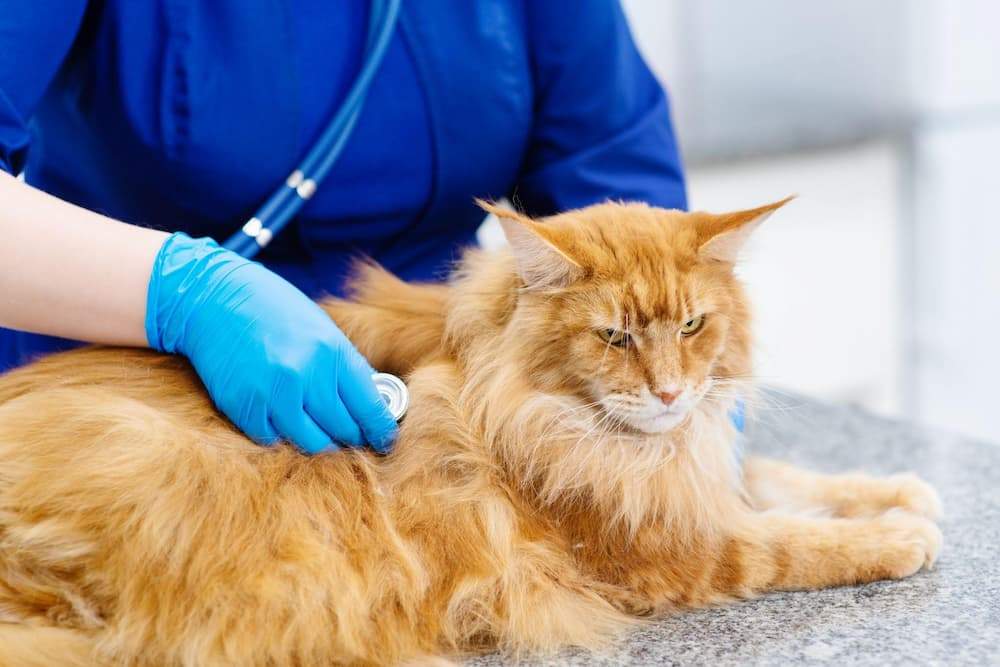
Photographer: Ermolaeva Olga 84 / Shutterstock