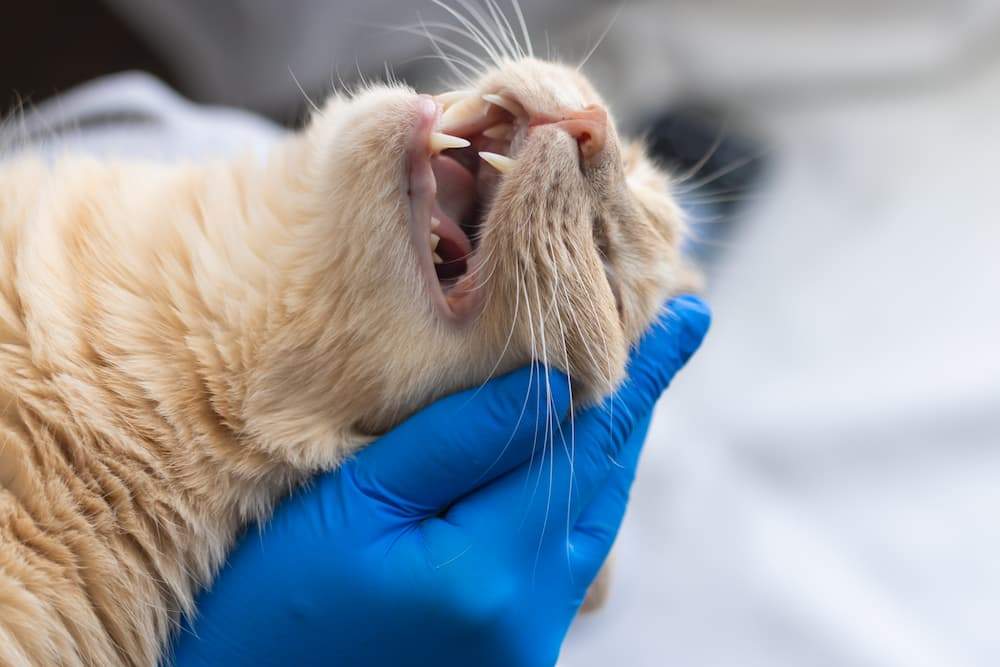
Healthy cat gums are usually pink and moist, so a sudden change to pale, gray, or white can be a sign that something is wrong. Pale gums in cats can be linked to several conditions, some of which require emergency care.
In this guide, our UrgentVet experts explain what to know about pale cat gums, what the color change may mean, what symptoms to watch for, emergency signs and when to seek veterinary help.
Why Does My Cat Have Pale Gums?
A cat’s gums get their pink color from blood circulating through the small vessels beneath the surface. When there are too few red blood cells, reduced blood flow, or inadequate oxygen delivery, the gums may lose that healthy color.
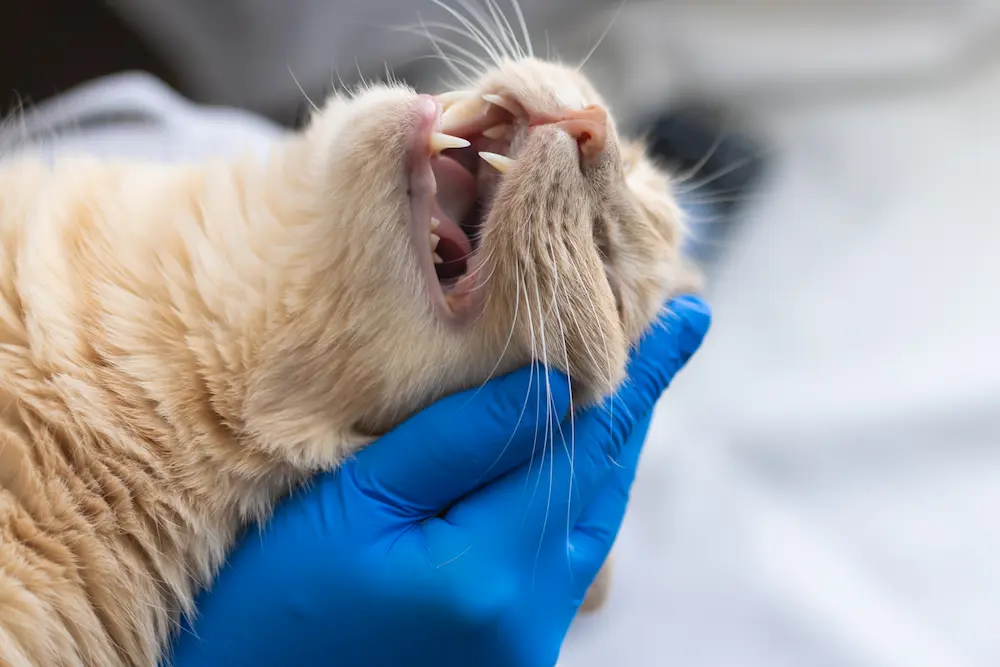
To check your cat’s gums, gently lift the upper lip in a well-lit area. Look at an unpigmented section above the teeth and compare it with your cat’s usual color. Pale cat gums may appear:
- Faint pink or washed out
- Almost white
- Light gray
- Unevenly pale compared with surrounding tissue
Gum color can be harder to judge in cats with naturally dark pigmentation. You may be able to check a pink area farther back in the mouth or look at the inner eyelids instead.
If your cat also seems weak or unwell, contact a veterinarian right away.
What Causes Pale Gums in Cats?
Pale gums are a symptom rather than a diagnosis. Some causes of pale gums in cats develop slowly, while others require immediate care.
Anemia or Blood Loss
Anemia means your cat does not have enough healthy red blood cells to carry oxygen effectively. It can result from blood loss, reduced red blood cell production, or the destruction of red blood cells.
Possible causes of amenia or blood loss in cats, include trauma, internal bleeding, parasites, clotting disorders, toxins, cancer, and certain infections.
An anemic cat may also seem weak, breathe faster, lose interest in food, or collapse. When comparing anemic cat gums vs. normal gums, anemic tissue usually looks noticeably lighter. Severe cases may require a blood transfusion.
Chronic Kidney Disease (CKD)
The kidneys help signal the body to make red blood cells. As kidney disease progresses, anemia may develop.
Other signs of Chronic Kidney Disease (CKD) in cats can include increased thirst and urination, weight loss, vomiting, reduced appetite, or a dull coat. Because CKD often develops gradually, changes in gum color and energy may appear slowly.
Heart Disease
Heart disease in cats can interfere with circulation and oxygen delivery, leading to pale, gray, or bluish gums. You may also notice rapid breathing, weakness, hiding, or collapse.
Labored breathing, open-mouth breathing, or sudden trouble using the hind legs requires emergency care.
Dehydration
Dehydration in felines usually makes the gums dry or tacky, but severe fluid loss can also reduce circulation and cause paleness, weakness, or shock.
Vomiting, diarrhea, overheating, and kidney disease are common causes. Significant dehydration needs veterinary treatment rather than forced fluids at home.
Hypothermia
Hypothermia in cats is when the body temperature drops too low, blood vessels constrict and the gums may look pale. Affected cats may feel cold, tremble, move slowly, or become difficult to wake.
Wrap your cat loosely in a dry blanket and seek care. Avoid heating pads or hot water, which can cause burns.
Severe Feline Asthma or Lung Disease
Serious respiratory diseases like severe feline asthma or lung disease can reduce oxygen levels, making the gums look pale, gray, or blue. Open-mouth breathing, visible abdominal effort, or an inability to settle are emergency signs. Avoid handling the mouth if it makes breathing more difficult.
Shock or Sepsis
Shock occurs when the organs are not receiving enough blood and oxygen. It may follow major blood loss, trauma, severe infection, allergic reactions, or heart problems. Sepsis is a dangerous whole-body response to infection that can also impair circulation.
Cold paws, weak or rapid breathing, extreme lethargy, confusion, or collapse are all signs of shock and call for immediate emergency care.
Pale Gums in Kittens
Pale gums in kittens are particularly concerning because their small bodies can lose blood, heat, and energy quickly. Fleas, intestinal parasites, infections, inadequate nutrition, blood loss, and congenital conditions can all contribute to anemia or poor circulation.
A kitten with pale gums may also be cold, weak, unwilling to nurse or eat, breathing abnormally, or unusually quiet. Do not wait for the kitten to “perk up.” Very young kittens can decline rapidly and should be assessed immediately, especially if they feel cool or become limp or unresponsive.
What To Do if Your Cat’s Gums Are Pale
If you notice cat pale gums, it’s important to take the situation very seriously and focus on getting your cat evaluated safely.
- Check the color in good lighting. Lift the lip gently and look at a normally pink, unpigmented area. Do not repeatedly handle a cat that is struggling to breathe or appears distressed.
- Look at your cat as a whole. Note their breathing, alertness, ability to stand, appetite, and any recent vomiting, diarrhea, injury, or bleeding.
- Keep your cat quiet. Place them in a carrier with a towel or light blanket and limit unnecessary movement.
- Call a veterinary clinic promptly. Describe the gum color and any other symptoms so the team can direct you to same-day urgent care or an emergency hospital.
- Do not give medication or food by force. Human medications can be toxic to cats, and forcing food or water may be unsafe for a weak or nauseated animal.
Even if your cat appears relatively stable, distinctly pale or white gums warrant veterinary attention the same day.
When To Get Immediate Veterinary Care for Discolored, Unhealthy Cat Gums
Go directly to an emergency veterinary hospital if your cat’s gums are white, gray, or blue, or if discoloration occurs with:
- Collapse, severe weakness, or difficulty standing
- Rapid, labored, or open-mouth breathing
- A swollen or painful abdomen
- Heavy bleeding or recent trauma
- Black, tarry stool or blood in vomit, urine, or feces
- Cold paws, ears, or body
- Confusion, poor responsiveness, or loss of consciousness
- Repeated vomiting or severe diarrhea
- Suspected toxin exposure
- A very fast heartbeat or breathing rate
Diagnosing Pale Gums in Cats
Your veterinarian will first assess your cat’s breathing, heart rate, temperature, hydration, circulation, and overall condition. They may also ask about recent illness, injury, medications, toxin exposure, appetite changes, or visible bleeding to begin diagnosing the cause of pale gums in your cat.
Bloodwork
A complete blood count can confirm anemia, while additional testing may check organ function, infection, blood sugar, and red blood cell changes.
Urinalysis
Urine testing can provide information about kidney function, hydration, infection, and possible blood loss.
Abdominal Ultrasound
An ultrasound may be used to look for internal bleeding, fluid, masses, or abnormalities in the abdominal organs.
X-Rays of the Chest or Abdomen
X-rays can help identify trauma, heart or lung disease, internal bleeding, masses, or other problems within the chest or abdomen.
Additional testing may include clotting tests, infectious disease screening, blood pressure measurement, or fluid analysis.
Treatment for Pale Gums in Cats
Treatment for pale gums in cats depends on what is causing the color change and how stable the cat is. The veterinary team may begin supportive care before all test results are available if circulation or oxygen delivery is compromised.
Treatment may include:
- Oxygen therapy for breathing difficulty or low oxygen levels
- Blood transfusions for severe anemia or major blood loss
- Intravenous fluids for dehydration or certain forms of shock
- Medication to control bleeding or address a clotting disorder
- Antibiotics for bacterial infection or sepsis
- Parasite treatment when fleas, intestinal worms, or blood-borne organisms are involved
- Immune-suppressing medication when the immune system is destroying red blood cells
- Surgery for internal bleeding, trauma, a ruptured organ, or certain tumors
- Long-term kidney or heart care when chronic disease is responsible
The goal is to stabilize circulation and oxygen delivery while treating the underlying condition. Outcomes vary widely, but early care can be critical.
Need Veterinary Assistance? Find an UrgentVet Near You!
A clear change in gum color deserves prompt attention, even if your cat is still awake and responsive. UrgentVet can evaluate cases of pale cat gums and determine whether they need testing, treatment, or transfer to an emergency hospital.
Pale Gums in Cats FAQs
What Do Pale Gums Mean in a Cat?
Pale gums may mean your cat has anemia, blood loss, poor circulation, or inadequate oxygen delivery. Because several possible causes are serious, contact a veterinarian promptly rather than relying on gum color alone to determine the cause.
Can Stress Cause Pale Gums in Cats?
Stress can temporarily change circulation and make gum color harder to judge, but clearly pale or white gums should not be attributed to anxiety without a veterinary assessment. Medical causes such as anemia, shock, or heart disease must be ruled out.
Why Are My Cat’s Gums White?
White gums in cats may indicate severe anemia, internal bleeding, shock, or another condition affecting circulation. This is especially urgent if your cat is weak, breathing rapidly, cold, or difficult to wake. Seek emergency veterinary care.
What Color Are a Sick Cat’s Gums?
Unhealthy gums in a cat dealing with sickness may appear pale, white, gray, blue, yellow, unusually dark red, or spotted with bleeding. Each color can point to a different concern. Gum color should always be considered alongside breathing, energy, appetite, and other symptoms.
What Do Pale Cat Gums Look Like vs. Normal Healthy Gums?
When comparing pale gums vs. healthy gums in cats, normal gums are generally moist and pink, while pale gums look washed out, faint pink, light gray, or white. Natural dark pigmentation is common, so compare an unpigmented area with your cat’s usual appearance whenever possible.
Photographer: PrakapenkaAlena / Shutterstock