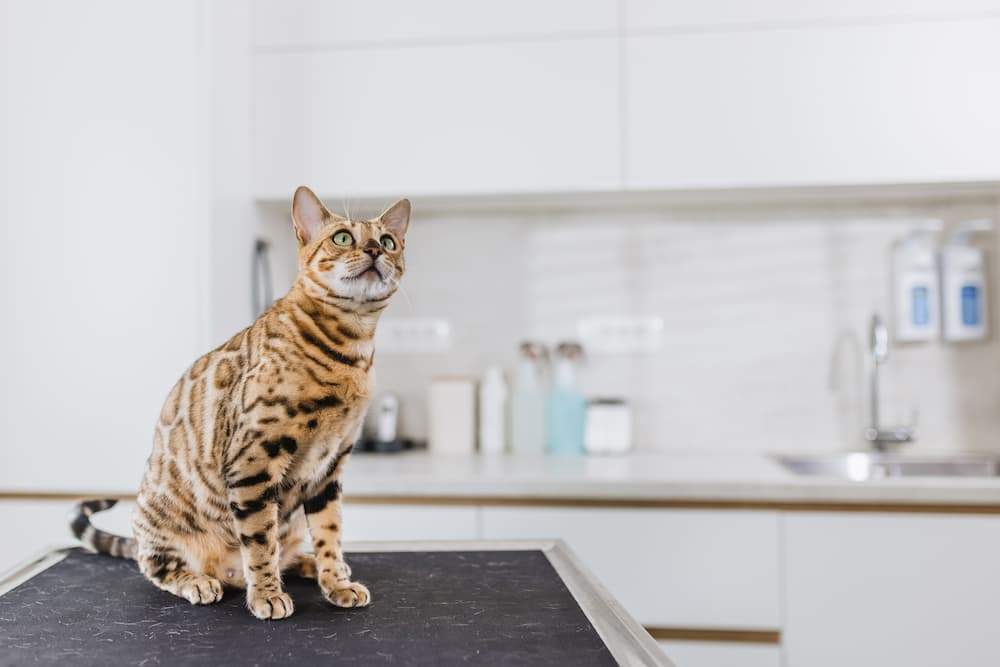
Roundworms are among the most common intestinal parasites found in cats, particularly kittens and cats that spend time outdoors. In this UrgentVet guide, our experts cover everything pet parents need to know about what causes roundworms in cats, as well as the sign, symptoms, treatment options and more.
You may first notice feline roundworms as pale, spaghetti-like worms in the litter box or vomit, but many infections are discovered through routine stool testing before any worms are visible. The good news is that roundworms in cats are treatable.
The right medication, follow-up testing, and a few practical steps at home can clear the infection and reduce the chance of your cat picking them up again.
What Are Roundworms in Cats?
Roundworms in cats are intestinal parasites that live and reproduce inside the digestive tract. The two species that commonly infect cats are Toxocara cati and Toxascaris leonina.
A cat roundworm infection can occur at any age, but kittens are particularly vulnerable. Large numbers of worms can interfere with nutrition and digestion, and very heavy infections may lead to more serious complications.
What Do Roundworms Look Like in Cats?
Adult roundworms in cats usually look like a cream or off-white, several inches long, and cylindrical – spaghetti is a useful visual comparison. These adult worms may occasionally appear in feces or vomit, while microscopic eggs are passed through stool and cannot be seen with the naked eye.
Symptoms of Roundworms in Cats
Some cats with a mild infection show no obvious symptoms at all. This is one reason routine fecal testing matters even when a cat seems healthy. Possible symptoms of roundworms in cats include:
- Visible worms in stool or vomit
- Potbellied appearance
- Diarrhea or soft stool
- Vomiting
- Weight loss or poor growth
- Dull or rough coat
- Reduced appetite
- Coughing
- Low energy
Roundworm in cats and kittens can affect younger animals more severely because their bodies have fewer reserves. A kitten that is weak, not eating, repeatedly vomiting, or failing to grow should be examined promptly.
Causes of Roundworms in Cats
What causes roundworms in cats? Infection begins when a cat takes in roundworm eggs or larvae. Depending on the species and the cat’s age, the cause of cat roundworms can happen several ways, including:
- Swallowing eggs from the environment: Roundworm eggs are shed in infected feces and can contaminate soil, litter, outdoor spaces, paws, or other surfaces. Cats may swallow them while grooming or exploring.
- Eating infected prey: Rodents and other small animals can carry roundworm larvae in their tissues. Cats that hunt are at greater risk.
- Nursing from an infected mother: Kittens can acquire Toxocara cati larvae through their mother’s milk.
- Contact with contaminated areas: Shared litter boxes or environments where infected cats have defecated can increase exposure.
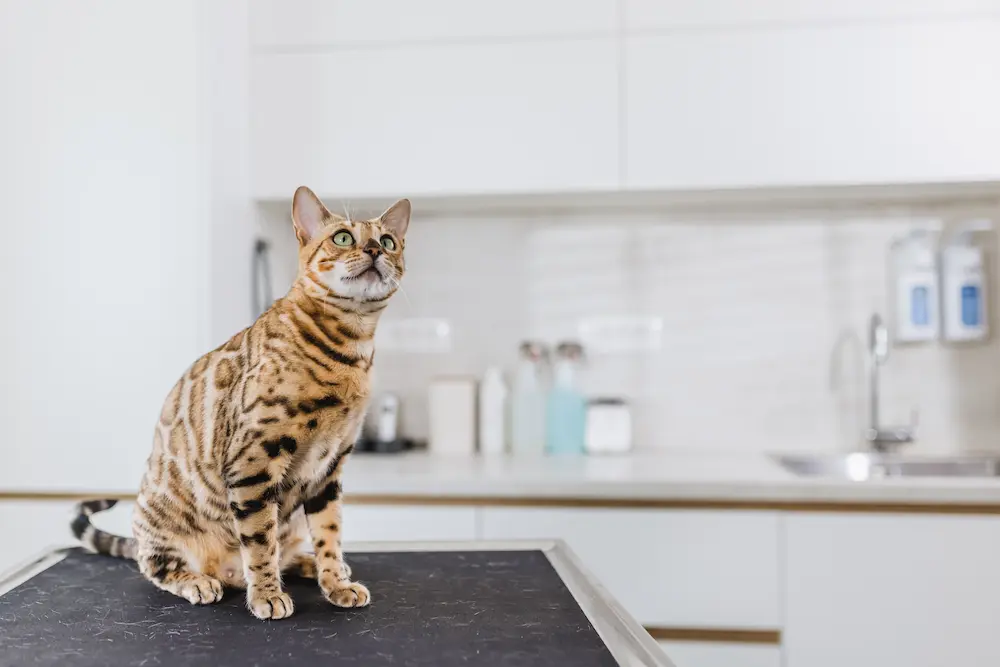
How Veterinarians Diagnose Roundworms in Cats
If you see a worm, take a photo or bring a safely contained sample to your appointment. Your veterinarian may also ask for a fresh stool sample.
A fecal exam is the most common way to vets check for roundworm eggs and make a diagnosis. Your veterinarian will also consider your cat’s symptoms, age, lifestyle, and parasite-prevention history.
Because roundworms may not show up in every sample, repeat testing is sometimes needed. Cats that seem especially unwell may also need bloodwork or other tests to check for dehydration, anemia, or related problems.
Treatment of Roundworms in Cats
Treatment for roundworms in cats typically involves a deworming medication that safely kills the parasites. Depending on the product, medication may be given orally or applied topically.
Knowing how to treat roundworms in cats properly is important because one dose may not eliminate every stage of the parasite. Roundworm treatment commonly involves:
- Prescription deworming medication selected for your cat’s age, weight, and health
- Repeat doses on a veterinarian-directed schedule to target worms as they mature
- Follow-up fecal testing when recommended to confirm that the infection has cleared
- Supportive care such as fluids or anti-nausea medication if vomiting, diarrhea, or dehydration is present
- Treatment of other parasites if testing finds more than one infection
Pet parents researching how to get rid of roundworms in cats may come across numerous over-the-counter products. Not every dewormer works against every parasite, and the wrong medication or dose can be ineffective or unsafe.
The same caution applies to advice about how to treat roundworms in cats at home. You can usually administer veterinarian-prescribed medication at home, but diagnosis and medication selection should come first.
Recovery and Management of Roundworms in Cats
Most cats recover well from roundworms once they receive the correct treatment. Digestive symptoms may begin improving within several days, although completely clearing the infection can take longer when multiple medication doses are required.
Reinfection is possible, so what happens at home matters too. While your cat is being treated:
- Give every medication dose on schedule.
- Remove feces from the litter box promptly.
- Clean litter boxes regularly.
- Wash your hands after handling litter or feces.
- Keep your cat from hunting rodents and other prey.
- Attend any recommended follow-up appointments or fecal tests.
If you continue seeing worms after treatment, don’t automatically give another dose. Contact your veterinarian so they can determine whether additional treatment or testing is needed.
Prevention of Roundworms in Cats
Roundworms cannot always be prevented, but you can significantly reduce your cat’s exposure. Helpful steps to help reduce the possibility of infection and potentially prevent roundworms in your cat include:
- Keep up with parasite prevention. Ask your veterinarian which year-round product is appropriate for your cat and whether it includes roundworm protection.
- Follow kitten deworming recommendations. Kittens need scheduled parasite treatment because infection can occur very early in life.
- Clean litter boxes daily. Prompt stool removal reduces opportunities for parasite eggs to accumulate in your cat’s environment.
- Limit hunting and outdoor roaming. Rodents can carry roundworm larvae, making hunting an important source of reinfection.
- Introduce new cats carefully. Newly adopted cats and kittens should receive appropriate veterinary care and parasite testing.
- Schedule regular fecal exams. Cats can carry roundworms without obvious symptoms, so preventive screening can find an infection before it causes problems.
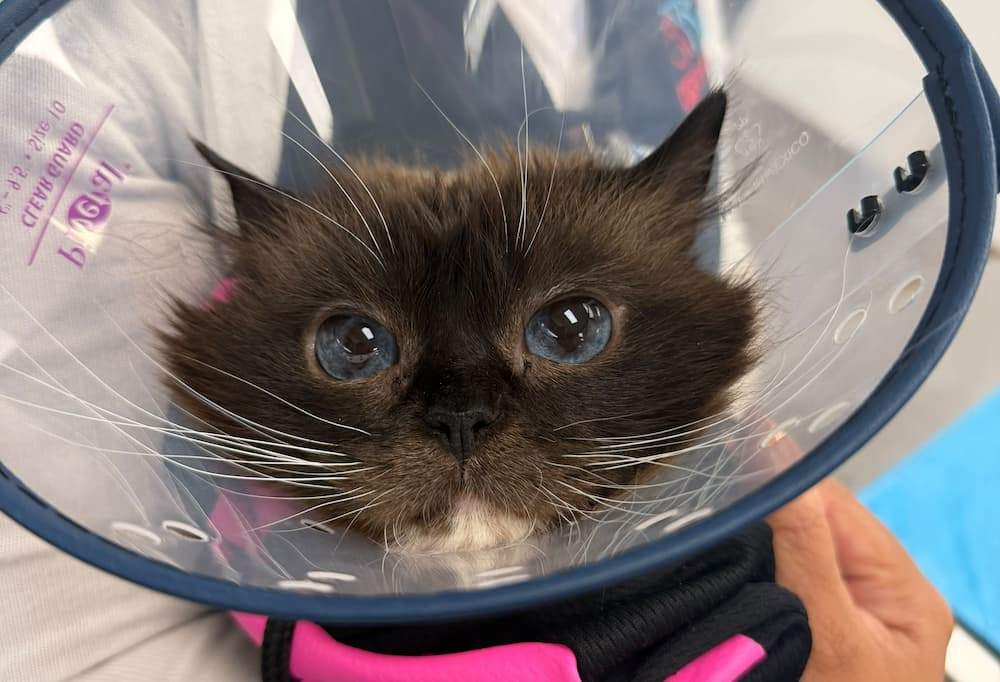
Need Veterinary Assistance? Find an UrgentVet Near You!
Roundworms in cats are common and generally straightforward to treat, but getting the parasite correctly identified is an important first step.
UrgentVet offers same-day, walk-in vet care for parasite concerns, whether you’ve spotted a worm at home or your cat is showing symptoms that need a closer look.
If your cat has collapsed, is struggling to breathe, is extremely weak, or is showing other severe symptoms, go directly to an emergency veterinary hospital.
Find your nearest UrgentVet location to walk in or check in online today.
FAQs about Kitten & Cat Roundworm
Is Roundworm Infection in Cats an Emergency?
A typical roundworm infection in cats is usually treatable through a routine or same-day veterinary visit rather than an emergency hospital. Seek immediate care, however, if your cat has severe weakness, collapse, repeated vomiting, breathing trouble, a painful or swollen abdomen, or other signs of serious illness.
Does Roundworm Infect Kittens?
Yes, roundworm does infect kittens. Kittens are particularly susceptible and can get parasites through their mother’s milk. Significant infections may cause a potbelly, diarrhea, vomiting, poor growth, or reduced appetite. Because kittens can become ill more quickly, prompt treatment is important.
How Are Roundworms Transmitted in Cats?
Cats acquire roundworms by swallowing infective eggs from contaminated environments, eating prey carrying larvae, or, in the case of kittens, nursing from an infected mother. Directly seeing another cat with worms does not necessarily mean transmission has occurred.
Do Roundworms Cause Diarrhea in Cats?
Roundworms can cause diarrhea in cats. Diarrhea is one of several possible signs, along with vomiting, weight loss, poor growth, a dull coat, or a potbellied appearance. Cats with mild infections may have no noticeable digestive symptoms.
Are Roundworms Contagious to Other Cats?
Yes, roundworms are contagious to other cats. Although transmission usually occurs through the parasite’s eggs rather than simple cat-to-cat contact. Infected cats shed eggs in their stool, which can eventually contaminate litter, soil, or other areas.
Can Roundworms Be Passed From Cat to Human?
Yes, roundworms can be passed from a cat to human. People can develop illness after accidentally ingesting Toxocara eggs from contaminated soil or hands. Children are particularly vulnerable. Cleaning litter boxes promptly, washing hands well, and keeping outdoor play areas free of animal feces can reduce the risk.
How Do You Treat Roundworms in Cats at Home?
Veterinary-prescribed deworming medication can often be given at home to treat roundworms in cats, making treatment fairly straightforward. Avoid homemade remedies or giving medication intended for another animal. Your veterinarian should confirm the parasite and recommend the safest product and schedule.
How Do Cats Get Roundworms in the House?
Even in the house, cats can still encounter roundworm eggs brought in on contaminated materials or become exposed through another pet. Indoor cats may also catch infected rodents that enter the home, and kittens can arrive already infected after acquiring larvae from their mother.
How Do You Kill Roundworms in Cats?
Veterinarian-approved dewormers kill roundworms inside cats, but repeat doses may be needed as immature parasites develop. Environmental cleanup is also important because medication does not remove eggs that have already been shed into the surroundings.
How Long Does It Take to Get Rid of Roundworms in Cats?
Many cats begin improving within days, but fully eliminating the infection to get rid of roundworms in cats may take several weeks. This is because treatment often needs to be repeated. Your veterinarian may recommend follow-up fecal testing before considering the infection fully cleared.
Photographer: 24K-Production / Shutterstock