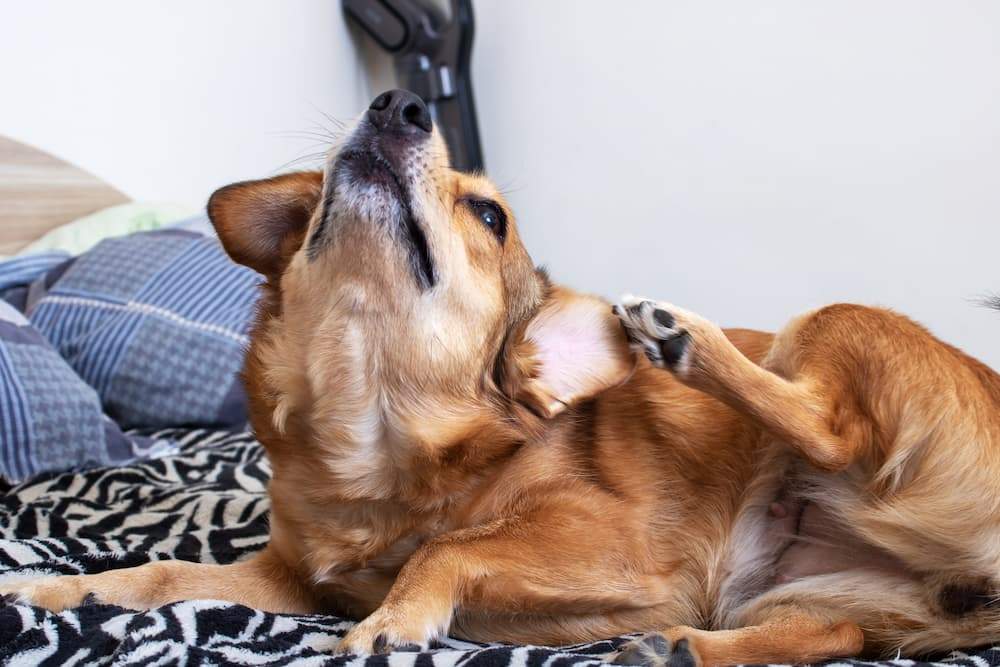
If you notice your dog scratching a lot, especially throughout the day, and see red skin or smell something odd, they might have a yeast infection. This problem is common and can make dogs uncomfortable and unhappy. Learning about yeast infections in dogs is the first step to helping your pup feel better.
What Are Yeast Infections in Dogs?
Yeast is a type of fungus made up of single cells. It’s normal for small amounts of yeast to live on your dog’s skin and in their ears. A healthy immune system and good skin bacteria keep yeast under control.
Trouble starts when yeast grows too quickly, leading to an overgrowth and infection. This causes inflammation and irritated skin. Yeast infections in dogs are not contagious, so your pup didn’t catch it from another dog. Instead, it happens because of an imbalance on your dog’s skin.
Types of Yeast Infections in Dogs
There are two main types of yeast infections in dogs: yeast dermatitis and Malassezia otitis. Both skin and ear yeast infections cause intense itching and need medical treatment.
Yeast Dermatitis
The first type is yeast dermatitis, which affects the skin. It often shows up in warm areas like skin folds, between the toes, or under the neck. The skin may feel greasy and look red and swollen.
Malassezia otitis
The second type is a yeast ear infection, called Malassezia otitis. It occurs inside the ear canal and is especially common in dogs with long ears, since their ears trap moisture. Yeast grows well in these damp conditions.
Signs & Symptoms of Yeast Infections in Dogs
The signs of a yeast infection in a dog are often very recognizable from constant scratching, skin issues to changes in smell.
Itching
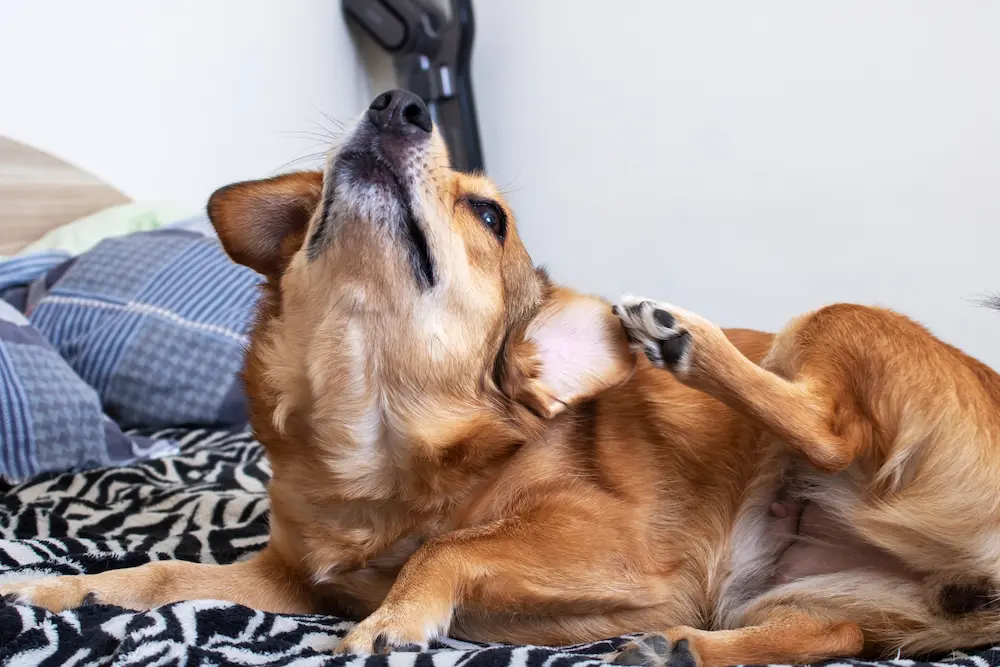
Itching is the most common sign. Your dog will scratch the same spot over and over. They may rub their face on the carpet. They might lick their paws until the fur turns brown.
Skin
Check your dog’s skin closely. It may look pink or bright red, and sometimes the skin becomes thick and rough, almost like elephant skin. Some spots may turn darker, which is called hyperpigmentation. You might also see crusty, yellow flakes that look like dandruff or rust-colored patches from licking the same area frequently. The coat may feel oily or you might see hair loss in the itchy areas. These symptoms show your pet is uncomfortable. Learn more about common dog skin issues.
Smell
The smell is another major clue. Yeast has a pungent odor. Many people say it smells like moldy bread. Others say it smells like corn chips or old cheese. This smell stays even after a bath.
How to Tell the Difference Between Types of Infection
Many owners wonder how to tell if their dog has a yeast infection, ear mites, or a bacterial infection. Any of these can make dogs shake their heads and scratch, but the type of debris in the ears is different. Dogs can also have combination infections.
Ear Mites
Ear mites in dogs are tiny parasites that create a dark discharge in the ears, which looks like dry coffee grounds. Mites cause a lot of itching and can spread quickly from one pet to another.
Bacterial and Yeast Infections
Bacterial and yeast infections in a dog’s ear look different. The discharge is usually waxy and often tan or dark yellow. The ear canal may look very red and smell sweet or musty. Mites are more common in puppies, while yeast and bacterial infections are more common in adult dogs. To be sure, a vet will use a microscope to look for yeast cells, bacteria, and mites.
Causes of Yeast Infections in Dogs
Several factors can cause yeast to grow too much, including allergies, moisture, health issues and medications.
- Allergies are the most common reason, including food allergies and environmental allergies like pollen or dust. Allergies in dogs weaken the skin’s defenses, making it easier for yeast to take over.
- Moisture is another major factor. Dogs that swim often can get water trapped in their ears, creating a damp environment where yeast thrives. High humidity can make the problem worse.
- Some health issues play a role. A weak immune system cannot fight the yeast. Hormonal problems like hypothyroidism can cause skin issues. Diabetes is another risk factor.
- Some medications can also lead to yeast problems. Antibiotics kill both harmful and helpful bacteria, and without the good bacteria, yeast can grow quickly. Steroids can also upset the skin’s natural balance.
How Veterinarians Diagnose Yeast Infection in Dogs
To diagnose a yeast infection, your dog needs to see a vet.
- The vet will start with a physical exam, checking for red spots, smelling the ears and skin, and asking about your dog’s history.
- The vet will perform skin cytology. They might press something against the itchy areas, use special stains to make it more visible, and examine it under a microscope to see which organisms are present.
- For ears, they might use a cotton swab to collect a sample of the wax to examine under a microscope. Yeast looks like small footprints or peanuts under the lens.
This test is quick and not invasive into your pet’s body. It confirms the type of infection and helps the vet choose the right medicine.
Treatment of Yeast Infections in Dogs
To treat a dog yeast infection, the main goal is to kill the organisms. The vet will recommend treatment based on severity and where the infection is located.
For more stubborn cases, the vet may prescribe oral medications in pill or liquid form since they work from the inside out. Be sure to finish the entire prescription unless directed otherwise, even if the itching stops, because stopping early can let the yeast return.
Recovery and Management of Yeast Infection in Dogs
Recovery requires time and patience. Itching often improves after a few days of treatment, but the skin may take several weeks to return to normal and for the redness to fade.
- Prevent your dog from licking the affected area by using a recovery collar or suit. This helps avoid further skin damage. Be sure to follow your vet’s medication schedule.
- Check your dog’s skin daily for new red patches and monitor the ears for any returning smell.
If the infection doesn’t go away, your vet may run more tests to look for underlying concerns. Addressing the root cause is the best way to prevent repeat infections.
Prevention of Yeast Infections in Dogs
You can prevent some yeast infections at home by keeping your dog dry. Dry their paws after walks on wet grass and dry their ears after every bath using a soft towel.
Manage your dog’s allergies or underlying conditions by working with your vet on a plan. This could involve special food or medications.
Brush your dog regularly to remove dead skin cells and help their skin breathe. If your dog is prone to ear issues, discuss maintenance cleaning and appropriate products with your veterinarian. Use a cotton ball for the visible parts and avoid putting cotton swabs deep in the ear. Keeping your dog clean helps keep their skin healthy.
Need Veterinary Assistance? Find an UrgentVet Near You!
UrgentVet is here to help when your regular vet is closed. We care for pets with itchy skin and ear pain, offering fast veterinary urgent care services for non-emergency problems. Our urgent pet care clinics are modern, and our staff is friendly and professional.

We understand your pet is part of your family, and we treat them with care. No appointment is needed – you can walk in or check in online to see wait times and save time. We accept many insurance plans and offer clear pricing.
Don’t let your dog suffer. Yeast infections are painful and stressful for your pet, but we can help provide quick relief. Book an appointment online, call us for immediate care, or find your nearest UrgentVet location today.
Yeast Infections in Dogs FAQs
What happens if dog yeast infections go untreated?
If a dog yeast infection goes untreated, it will get worse. The itching can become unbearable, and your dog may scratch until the skin bleeds, causing open sores. Bacteria can enter these sores, leading to a more serious infection that’s harder to treat. The skin may become thick, black, and have a strong odor. Untreated ear infections can even cause a ruptured eardrum, hearing loss, and severe pain. It’s always best to treat infections early.
How do I know if my dog has a bacterial or yeast infection?
Yeast and bacterial infections in dogs can look similar since both cause red, itchy skin. Yeast infections usually have a strong smell and look greasy, while bacterial infections might have pustules that look like small white pimples with yellow pus.
Yeast infections are often crusty or scaly. You can’t tell for sure at home, so a vet needs to test the skin under a microscope. Many dogs have both types at once, and the vet will prescribe medicine for both.
What dog breeds are prone to yeast infections?
Some breeds have a higher risk or are known to be more susceptible to infections. Basset Hounds, Cocker Spaniels, and Poodles and Poodle mixes can be prone to ear infections, among other breeds including:
- German Shepherds often have environmental allergies, making them more prone to skin yeast infections.
- Bulldogs and Pugs have deep skin folds. These folds stay warm and damp. They are the perfect environment for organisms to grow.
- West Highland White Terriers are known for skin conditions and often get yeast dermatitis.
- Golden Retrievers love the water. Their wet coats and ears can make them more susceptible to yeast.
If you own these breeds, check their skin often. Watch for the first signs of redness and give your dog vet-approved medications as soon as possible if it has a yeast infection. Early care keeps the skin healthy.
Photographer: Vera Aksionava / Shutterstock
Article Updated: May 18, 2026