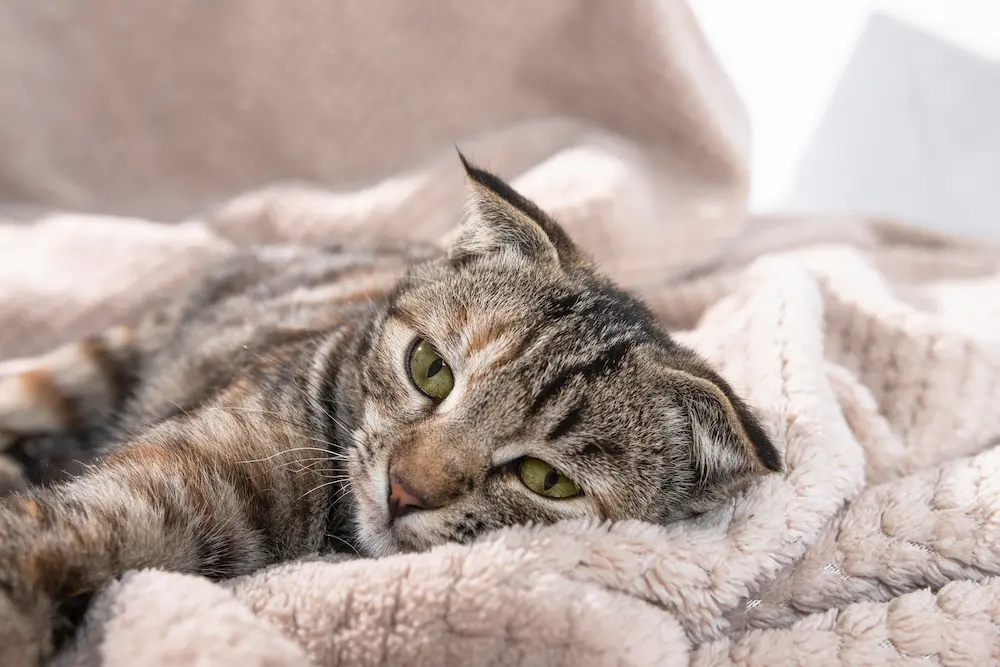
When your cat throws up yellow liquid, it’s understandable that you would feel concerned. Most pet parents would wonder – is it just an upset stomach, or something more serious? It’s natural to worry when your feline friend seems unwell, especially when the cause isn’t clear.
This guide will help you better understand the possible reasons behind yellow vomit in cats, what you can do at home, and when it’s time to call the vet.
Your Cat Is Throwing Up Yellow Liquid. What’s Happening?
The yellow substance you’re seeing is likely bile, a digestive fluid produced in the liver and stored in the gallbladder. It helps break down fats and assists in the absorption of nutrients. Bile normally enters the small intestine during digestion, but when a cat’s stomach is empty or irritated, bile can move into the stomach and be expelled through vomiting.
Yellow vomit can look watery, foamy, or slightly thick. It may appear with or without food. Sometimes it’s streaked with fur, grass, or mucus.
While not always a medical emergency, it’s never something to ignore, especially if it happens repeatedly or is accompanied by other symptoms.
Why Cats Throw Up Yellow Liquid
Vomiting yellow fluid can stem from many causes. Some are minor, like an empty stomach. Others can point to more serious medical conditions. Here are the most common reasons:
Your Cat Has a Hairball
Hairballs are common, especially in long-haired cats or those that groom excessively. When a cat swallows loose fur, it usually passes through the digestive system. But if it accumulates in the stomach, it can irritate the lining and cause vomiting.
Cats may gag or retch before expelling the hairball, and it often comes up coated in yellow liquid. Occasional hairballs aren’t usually cause for concern. But frequent vomiting, loss of appetite, or signs of abdominal pain could mean the hairball is too large or causing a blockage. In these cases, prompt veterinary care is needed.
Preventive steps like regular grooming, a special diet, or hairball control supplements may help reduce how often your cat experiences this issue.
Your Cat Doesn’t Have Anything in Their Stomach
If your cat has gone too long without eating – whether they skipped a meal, are on a fast for a medical procedure, or are simply a picky eater – their stomach can become irritated by bile buildup. This condition is sometimes called bilious vomiting syndrome.
Cats are designed to eat small, frequent meals. Going too long between feedings can cause inflammation in the stomach, leading to yellow vomit. Feeding your cat on a consistent schedule, with smaller meals throughout the day, can often prevent this issue.
If vomiting continues despite regular meals, it may be time for a checkup to rule out other underlying causes.
Your Cat Has an Underlying Health Condition
Sometimes yellow vomit is a symptom of a larger problem. The following conditions may be to blame:
- Liver or Gallbladder Disease: Inflammation, infection, or obstruction of the bile ducts can result in excess bile in the stomach. Other signs may include yellowing of the eyes or skin (jaundice), decreased appetite, and weight loss.
- Pancreatitis: When the pancreas becomes inflamed, it can block bile flow. Affected cats may vomit bile, experience abdominal pain, lethargy, and diarrhea.
- Gastritis or Enteritis: Infections, toxins, or spoiled food can inflame the stomach or intestines, leading to vomiting and diarrhea.
- Foreign Object Ingestion: Cats who eat string, plastic, or other non-food items may develop a blockage. As food can’t pass, the cat may throw up bile. If your cat is lethargic, straining, or in pain, seek emergency care immediately.
- Kidney Disease: Common in senior cats, kidney issues can lead to toxin buildup in the body, nausea, and vomiting bile.
- Diabetes: High blood sugar levels may cause vomiting, especially if food isn’t being properly digested. Cats may also drink more water and lose weight rapidly.
- Hiatal Hernias or Acid Reflux: Less common, but these conditions can allow bile to back up into the stomach, especially during or after eating.
Whenever you’re unsure, it’s best to consult your veterinarian, especially if vomiting becomes frequent or is accompanied by other symptoms.
What To Do if Your Cat Is Throwing Up Bile
If your cat threw up yellow liquid, follow these steps to keep them safe and comfortable while monitoring for signs of trouble:
- Remove food for 8–12 hours to let the stomach settle, unless your cat is a kitten, diabetic, or has another medical condition that requires regular feeding.
- Provide water in small amounts, every 1–2 hours. Make sure your cat stays hydrated, but avoid letting them gulp large quantities at once.
- Observe behavior closely. Is your cat still playful? Are they eating normally after the vomiting? Monitor for lethargy, drooling, abdominal pain, or more vomiting.
- Record details. Note when the vomiting occurred, how often, and what the vomit looked like. These clues will help your vet if a visit becomes necessary.
- Don’t give human medications or over-the-counter treatments unless your vet approves. Many drugs are toxic to cats.
- Contact your vet if your cat continues vomiting, skips meals, or shows other warning signs.
How To Settle a Cat’s Stomach After Vomiting
Soothing your cat’s upset stomach is often possible with a few simple at-home steps – just be sure to check with your vet first.
- Offer bland food: After fasting, reintroduce food with something gentle like boiled chicken (no bones, skin, or seasoning) or a prescription bland diet.
- Feed small, frequent meals: This prevents the stomach from being empty too long and reduces irritation from bile.
- Try a probiotic supplement: These can help balance the gut and support digestion. Look for cat-safe formulas recommended by your vet.
- Add pumpkin: Plain canned pumpkin (not pie filling) can help with both vomiting and diarrhea thanks to its fiber content. A teaspoon mixed with food is usually enough.
- Create a calm space: Cats are sensitive to stress. A quiet environment can promote healing after an upset stomach.
Need Veterinary Assistance? Find an UrgentVet Near You!
If your cat has yellow vomit episodes that are happening more than once – or even if your pet simply doesn’t seem like their normal self – don’t wait. UrgentVet is here for you with after-hours care, affordable pricing, and compassionate professionals ready to help.
With walk-in appointments and online scheduling, we make it easy to get excellent pet care when you need it most. And with separate spaces for dogs and cats, we’ve created a stress-free environment that can make visits easier on your pet.
Find your nearest UrgentVet and visit our office today!
FAQs: Yellow Vomit in Cats
Why is my cat puking yellow liquid?
When a cat vomits yellow, the yellow liquid is usually bile. Bile enters the stomach when your cat has gone too long without food, has an irritated digestive tract, or an underlying health issue. Occasional bile vomit may be normal, but frequent episodes should be evaluated by a vet.
My cat threw up yellow liquid - do we need to go to the vet?
If it’s a one-time event and your cat is otherwise normal, monitor at home. But if your cat is also lethargic, not eating, or vomiting repeatedly, or develops other symptoms, contact your vet as soon as possible.
Can I give my cat water after they vomited bile?
Yes, but do it slowly. Offer small amounts at a time and monitor for more vomiting. Avoid forcing your cat to drink.
Is yellow cat vomit always bile?
Most of the time, yes, but not always. For a cat, yellow vomit may also be caused by food dye, a toy, or a household item they may have ingested. If the vomiting is frequent or you suspect ingestion of a foreign object, seek veterinary care.
If my cat is vomiting bile, can I give them over-the-counter medications?
No. Many human and OTC medications are toxic to cats. Never give your cat medicine unless prescribed or approved by your veterinarian.
Can stress cause yellow vomit in cats?
Yes, stress can disrupt your cat’s digestion and contribute to vomiting. Major changes like a move, new pet, or loud environment can trigger nausea. If your cat is sensitive to stress, calming tools or a pheromone diffuser may help.
Is it normal for older cats to vomit bile?
While aging cats may be more prone to digestive issues, vomiting yellow bile should never be considered “normal.” Senior cats are also more likely to develop conditions like kidney disease, pancreatitis, or hyperthyroidism, all of which require veterinary care.
Photo Credit: Julia Cherk