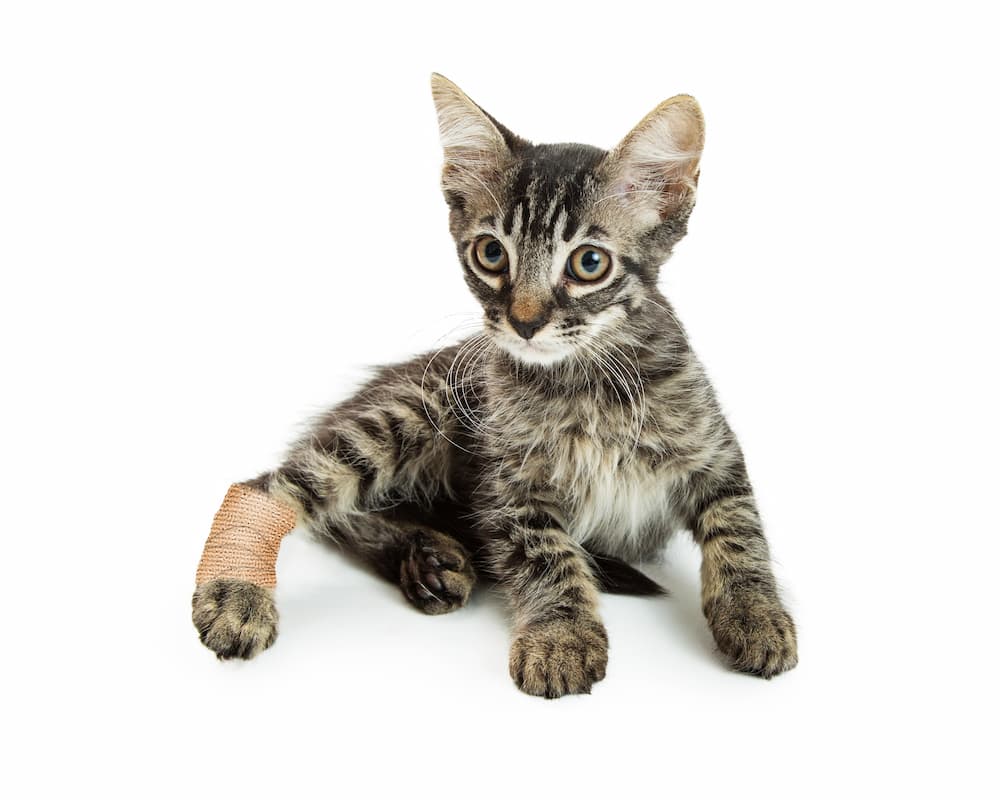
Pain in cats can be difficult to detect and even harder to treat. Cats can be very hard to read and often hide signs of discomfort until it becomes severe. More often, cats in pain simply stop engaging in activities that used to be common for them — climbing stairs, jumping on furniture, grooming, and playing (signs of disability). Whether your cat is limping, withdrawing, or just not acting like themselves, you might wonder: What can I give a cat for pain?
This guide will walk you through safe pain relief options for cats, explain which medications to avoid, and offer comfort strategies to help your feline companion feel better. As always, the first step is contacting your veterinarian or an urgent care provider like UrgentVet.
Never give your cat any medications – especially human medications – without veterinary guidance.
Are Human Pain Meds Safe for Cats?
In short: NO. Human pain relievers are extremely dangerous for cats and should never be given unless a vet specifically prescribes them in very specific situations. Even tiny doses can cause serious toxicity.
Some of the most dangerous over-the-counter pain meds for cats include:
- Acetaminophen (Tylenol): Just one regular-strength pill can be fatal to a cat. It damages red blood cells and liver tissue, potentially leading to death.
- Ibuprofen (Advil, Motrin) and Naproxen (Aleve): These NSAIDs can cause kidney failure, stomach ulcers, and abnormal bleeding.
- Aspirin: While occasionally used in very low doses under veterinary guidance, aspirin can be dangerous when used improperly.
If your cat accidentally ingests any of these medications, call your veterinarian or the Animal Poison Control Center at 1-888-426-4435 immediately.
What Can You Give a Cat for Pain?
Treating pain in cats requires a veterinarian’s expertise. The best pain relief depends on the type and severity of pain, your cat’s age, health status, and other medications. Below are the main categories of cat pain meds used under veterinary care.
Prescription Nonsteroidal Anti-Inflammatories for Cats
NSAIDs reduce inflammation and provide effective relief for post-surgical or chronic pain. But unlike human NSAIDs, feline-safe options are very limited and must be used with caution.
- Onsior (robenacoxib): Approved for short-term use (up to 3 days) following surgery in cats. Sometimes prescribed off-label for conditions like arthritis or cancer pain. Possible side effects include vomiting, appetite loss, or kidney issues.
- Metacam (meloxicam): FDA-approved for a single injectable dose in cats. Oral forms are used off-label in other countries for chronic pain. Long-term use can risk kidney damage, especially in older cats.
These medications require bloodwork monitoring and should never be used in combination with other NSAIDs or steroids.
Opioids for Cats
Opioids block pain signals and are often prescribed for moderate to severe pain when NSAIDs are insufficient or contraindicated.
- Buprenorphine: Commonly prescribed for short-term pain (like post-surgery) or chronic conditions. Can be given as an injection or squirted into the cheek pouch for absorption. Generally well tolerated but may cause drowsiness or pupil changes.
- Tramadol: Sometimes used for longer-term pain, especially in arthritic or cancer patients. Bitter in taste, so it’s often compounded into flavored liquid. Side effects may include lethargy or odd behavior.
- Zorbium (fentanyl transdermal solution) : This is a newer, FDA-approved long-acting option that provides 4 days of pain relief from a single in-clinic application. Used after major surgery or trauma.
Other opioids, like butorphanol, morphine, or hydromorphone, may be used in hospital settings under careful supervision.
Steroids for Inflammation in Cats
Steroids reduce inflammation but aren’t used long-term for pain alone due to potential side effects.
- Prednisolone, Methylprednisolone, Dexamethasone: These corticosteroids may be used to relieve inflammation in cases of cancer, inflammatory bowel disease, or spinal issues. But they come with risks, especially when used alongside NSAIDs, including diabetes, weight gain, and organ damage.
Steroids are typically used when NSAIDs can’t be or when inflammation is the primary issue, rather than pain alone.
Other Medications for Cats in Pain
Some medications originally developed for other uses have been shown to help cats with chronic or nerve-related pain.
- Solensia (frunevetmab), is an FDA-approved monthly monoclonal antibody injection that targets nerve growth factor (NGF) to block joint pain related to osteoarthritis in cats.
- Gabapentin (Neurontin): Originally for seizures, now commonly used for chronic pain, arthritis, or nerve issues. Often compounded into flavored liquids. May cause mild sedation or wobbliness.
- Cerenia (maropitant): While mainly an anti-nausea drug, it can have pain-relieving properties when used with other medications. Side effects may include lethargy or drooling.
- Amantadine: An antiviral that helps enhance the effects of other pain meds, particularly for chronic pain. Sometimes causes GI upset or ataxia (wobbliness).
- Amitriptyline: A tricyclic antidepressant used for chronic nerve pain. May cause drowsiness, constipation, or heart rhythm changes.
Your veterinarian may recommend one or more of these depending on your cat’s condition and tolerance.
Joint Supplements for Pain in Cats
For cats with arthritis or joint degeneration, supplements can support long-term pain relief and cartilage health. These are often part of a multimodal pain management plan, meaning several strategies are used together.
- Glucosamine & Chondroitin: These over-the-counter pain meds for cats support joint fluid and reduce inflammation. They work best when used early and consistently.
- Adequan (polysulfated glycosaminoglycans): A prescription injectable joint protectant often used when glucosamine alone isn’t enough.
- Omega-3 Fatty Acids: Found in fish oil, these natural anti-inflammatories may help ease joint pain and protect cartilage.
- Other ingredients sometimes used include turmeric, green-lipped mussel, microlactin (Duralactin), and hyaluronic acid.
While these supplements are not fast-acting pain meds for cats, they can provide long-term support with minimal risk.
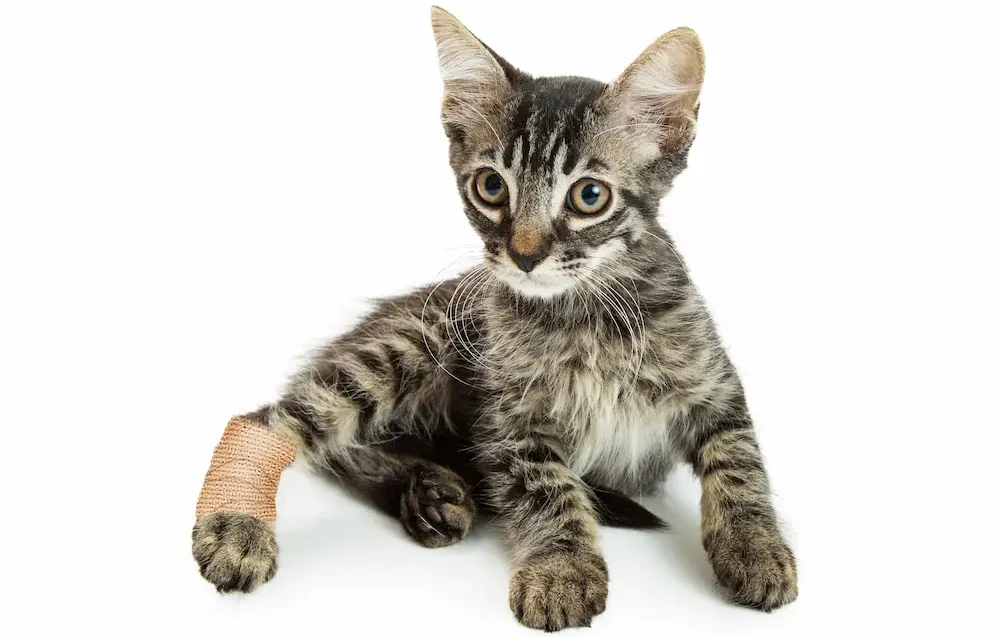 How to Comfort a Cat in Pain
Medication is just one way to provide pain relief for cats. Helping them feel secure, safe, and supported can also make a big difference in improving their well-being.
Here’s how you can ease your cat’s discomfort at home:
- Rearrange their environment: Keep food, water, and litter boxes on one level of your home to avoid stairs. Use ramps for favorite perches and provide heated or orthopedic beds for comfort.
- Encourage gentle movement: If approved by your vet, low-impact activity (like slowly walking to their food or stretching) can help keep joints mobile.
- Maintain a healthy weight: Obesity worsens pain, especially with arthritis. Your vet can recommend a calorie-controlled diet or prescription food to support joint health.
- Explore physical therapies: Acupuncture, cold laser therapy, and physical rehab can help relieve pain and promote healing. These are especially helpful for cats who can’t tolerate medications.
- Limit stress: Pain can heighten anxiety. Provide hiding spaces, minimize loud noises, and stick to routines that comfort your cat.
- Give extra attention: Gentle petting, quiet time, and being nearby when they’re resting can make a big difference in how your cat feels emotionally.
Stay observant, follow your vet’s instructions, and don’t hesitate to ask questions.
Need Veterinary Assistance? Find an UrgentVet Near You!
If you suspect your cat is in pain, don’t wait. Whether it’s limping, lethargy, hiding, or just not acting like themselves, trust your instincts. Our compassionate care teams at UrgentVet can assess your pet and help create a pain relief plan that fits their needs.
We’re open nights, weekends, and holidays to care for cats when your primary vet isn’t available – because your cat’s comfort shouldn’t wait. Visit your nearest UrgentVet for a walk-in visit or schedule an appointment online now!
FAQs About Pains Meds For Cats
What can you give a cat for pain relief at home?
While your instinct may be to reach for something in your medicine cabinet, avoid giving your cat any pain relievers unless they’re prescribed by your veterinarian. There are no safe OTC pain meds for cats that you can give without professional guidance. If you suspect your cat is in pain, call your vet first – they may recommend a vet-approved prescription or supplement.
Can I give my cat over-the-counter pain meds for humans?
No, your personal medicine cabinet does not have any safe (or effective) over-the-counter pain meds for cats. Human medications like ibuprofen, acetaminophen, or naproxen can be extremely dangerous – even deadly. Even natural remedies or supplements should be reviewed by your veterinarian to ensure they won’t interfere with other treatments or underlying conditions.
What can I give a cat for pain long-term?
Suppose your cat has chronic pain (such as from arthritis or cancer). In that case, your vet may recommend a combination of cat pain meds like NSAIDs, opioids, gabapentin, and Solensia, along with supplements such as glucosamine and omega-3s. Pain relief for cats often involves a multi-modal approach that includes medication, environmental changes, and therapies like acupuncture or laser treatment.
What can I give my cat for pain if I can’t get to a vet right away?
If you need cat pain management in an emergency, the honest answer is: call a veterinary professional first. Giving the wrong medication could worsen your cat’s condition. Many clinics, including UrgentVet, offer same-day care to help guide next steps safely.
Is it okay to give small amounts of human medication to a cat?
No. Even a small dose of a human painkiller can be toxic. If you’re unsure what you can give cats for pain, consult a vet – never guess.
Image Credit: GoodFocused