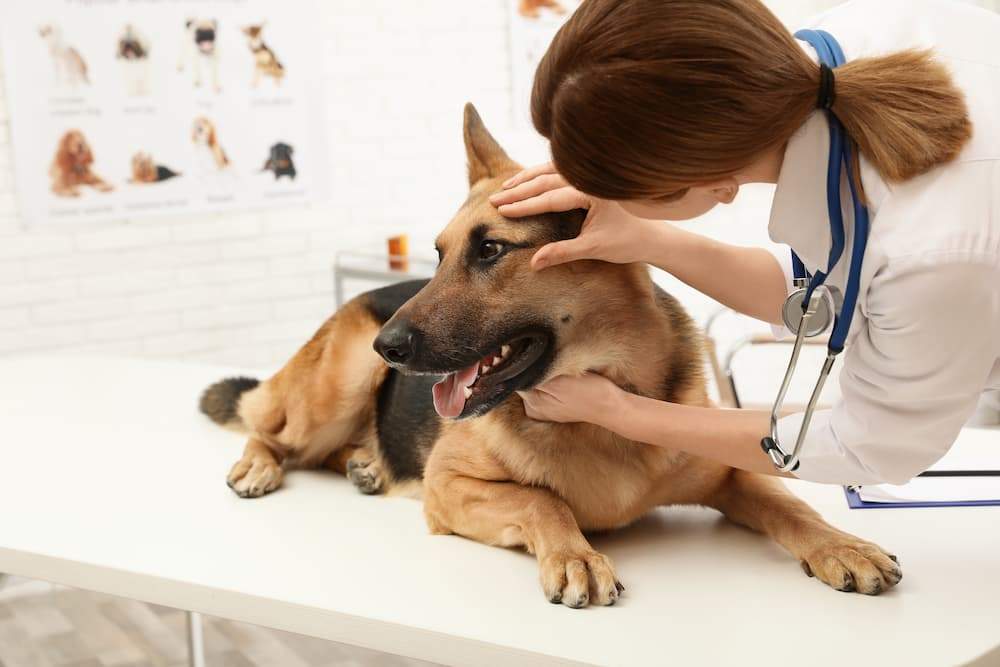
Dogs experience the world face-first. They stick their heads out car windows, push through bushes on walks, wrestle with friends, and investigate just about everything at ground level. That curiosity is part of what makes dogs so lovable. But, this curiosity also makes them especially vulnerable to some common types of dog eye injuries.
Some eye injury issues are mild and resolve quickly with treatment. Others can threaten vision if they’re not addressed right away. Knowing what’s normal, what’s concerning, and when to seek veterinary care can make a real difference in your dog’s comfort and long-term eye health.
What Are Dog Eye Injuries?
Dog eye injuries refer to any damage or irritation affecting the eye itself or the surrounding structures, such as the eyelids or cornea. These injuries can happen suddenly, like a scratch from a branch, or develop over time due to infection, inflammation, or underlying eye conditions.
Some injuries are minor and uncomfortable but not vision-threatening. Others can progress quickly and cause permanent damage if left untreated. Because dogs can’t tell us what they’re feeling, eye injuries often rely on visual clues and behavior changes to signal that something’s wrong.
While this guide focuses on common injury types, it’s important to remember that even seemingly mild eye issues should be taken seriously – especially if symptoms persist or worsen.
Types of Dog Eye Injuries
Eye injuries in dogs can look very different depending on the cause and severity. Below are some of the most common types of dog eye injuries veterinarians see, along with a brief explanation of each.
- Corneal abrasions (scratches): These occur when the clear surface of the eye is scraped or scratched, often by grass, dirt, claws, or rough play. They’re painful and may cause squinting or excessive tearing.
- Corneal ulcers: A deeper injury to the cornea that can result from untreated scratches, infections, or trauma. Ulcers are more serious and can threaten vision if not treated promptly.
- Foreign objects in the eye: Dust, sand, seeds, or small debris can become trapped under the eyelid or on the eye’s surface, causing irritation and inflammation.
- Eyelid injuries: Cuts, tears, or swelling of the eyelids can occur from trauma, bites, or accidents. Because the eyelids protect the eye, damage here can also affect eye health.
- Chemical exposure: Contact with household cleaners, lawn chemicals, or other irritants can cause chemical burns and severe inflammation.
- Blunt trauma: Injuries from collisions, falls, or being struck can lead to internal eye damage, bleeding, or swelling around the eye.
- Prolapsed glands or tissue: In some cases, trauma or inflammation can cause eye structures to shift or protrude, requiring veterinary evaluation and treatment.
Symptoms of Dog Eye Injuries
Eye injuries are often uncomfortable or painful, and dogs usually show signs that something isn’t right. Watch for these dog eye injury symptoms, especially if they appear suddenly or worsen over time:
- Squinting or keeping one eye closed
- Redness or visible swelling in or around the eye
- Excessive tearing or discharge
- Cloudiness or a blue/gray haze in the eye
- Pawing at the eye or rubbing the face on furniture or the floor
- Sensitivity to light
- Visible scratches, blood, or foreign material
- Changes in behavior, such as lethargy or irritability
If your dog shows more than one of these signs or seems to be in pain, it’s best to have their eyes examined by a veterinarian as soon as possible.
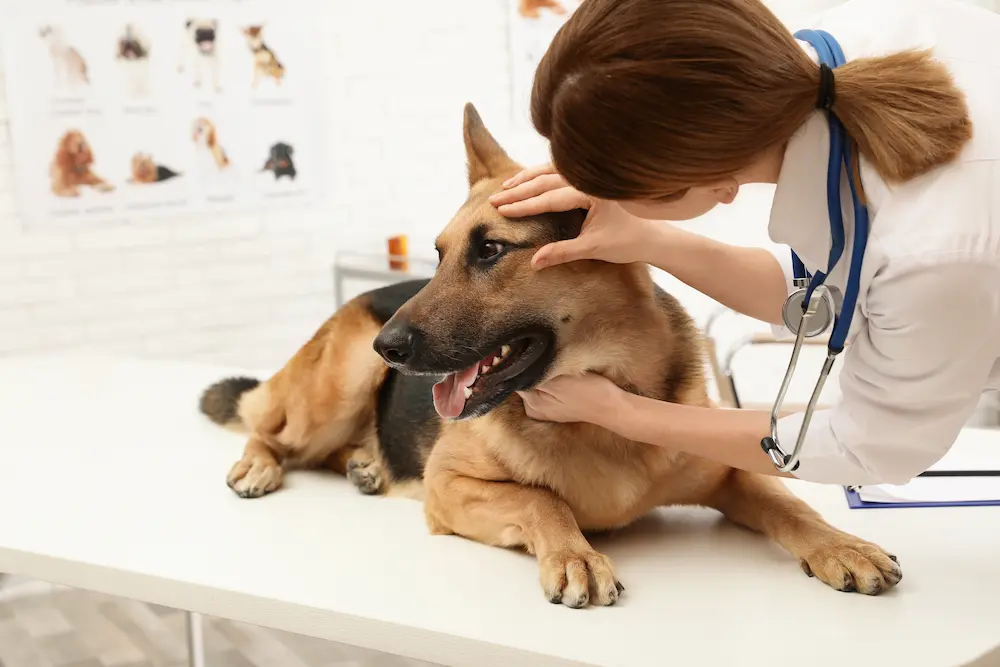
How Do Veterinarians Diagnose Dog Eye Injuries?
When you bring your dog in for an eye concern, the veterinarian will begin with a thorough history. You may be asked when symptoms started, whether there was any known trauma, exposure to chemicals, recent play with other animals, or changes in your dog’s behavior.
The physical exam usually includes a close look at the eye and surrounding tissues. Diagnostic steps for dog eye injuries may include:
- Fluorescein staining to highlight scratches or ulcers on the cornea
- Tear production testing to assess lubrication and eye health
- Eye pressure measurements to rule out conditions like glaucoma
- Examination under magnification to detect subtle injuries or foreign material
In some cases, referral to a veterinary ophthalmologist may be recommended, particularly if the injury is severe, recurrent, or involves deeper eye structures.
Treatment of Dog Eye Injuries
Treatment depends on the type and severity of the injury, but the goal is always to relieve pain, prevent infection, and protect vision. A tailored dog eye injury treatment plan may include:
- Medicated eye drops or ointments: These may contain antibiotics, anti-inflammatories, or pain-relieving agents.
- Elizabethan collars (cones): Prevent your dog from rubbing or scratching the injured eye during healing.
- Oral medications: Pain relief or anti-inflammatory medications may be prescribed for comfort and healing.
- Flushing or removal of foreign objects: Done safely in a clinical setting to avoid further damage.
- Surgical intervention: In severe cases, surgery may be needed to repair ulcers, eyelid injuries, or internal damage.
Never use leftover medications or human eye drops without veterinary guidance, as some products can make injuries worse.
Recovery of Dog Eye Injuries
Recovery time for dog eye injuries can vary significantly depending on the type and severity of the injury, as well as how quickly treatment begins. Minor abrasions may heal within several days, while ulcers, trauma, or surgical cases can require weeks of careful management. During recovery, consistency matters. Give all medications exactly as prescribed and finish the full course, even if your dog seems more comfortable after a few days.
Limiting activity may also be part of the healing process, especially if trauma was involved. Follow-up exams are important because the eye’s surface can appear improved before it’s fully healed.
Contact your veterinarian right away if you notice increased redness, discharge, squinting, or any return of discomfort, as these can signal delayed healing or complications.
Prevention of Dog Eye Injuries
While not all dog eye injuries are preventable, there are steps you can take to reduce risk:
- Limit exposure to flying debris by avoiding letting dogs ride with their heads out of car windows, where dust, insects, and small objects can strike the eyes at high speed.
- Store household chemicals and lawn products safely and keep pets away from freshly cleaned or treated areas until they are fully dry and ventilated.
- Supervise play, especially with other dogs, since rough wrestling or accidental scratches are common causes of eye trauma.
- Trim hair around the eyes for breeds with long facial hair to prevent chronic irritation and trapped debris.
- Check your dog’s eyes regularly at home, especially after hikes, outdoor play, or time in brush-heavy areas, so irritation or foreign material can be addressed early.
- Schedule routine veterinary wellness exams, which allow subtle eye changes to be detected before they develop into more serious injuries.
Routine wellness exams also help catch early eye issues before they become serious.
Need Veterinary Assistance? Find an UrgentVet Near You!
If your dog is showing signs of eye pain, injury, or sudden changes in vision, UrgentVet is here to help. Our veterinary teams are experienced in evaluating dog eye injuries and creating treatment plans that prioritize comfort, healing, and long-term eye health.
For more information about what to do about dog eye injuries, contact your local UrgentVet clinic location. And if your pet needs care now, walk in or schedule an appointment today!
FAQs About Eye Injuries in Dogs
Can a dog eye injury heal on its own?
Very minor irritation may improve on its own, but many eye injuries require treatment to heal properly. Because the eye is delicate and infections can develop quickly, it’s always safest to have an eye issue evaluated by a veterinarian rather than waiting to see if it resolves.
Is a dog eye injury an emergency?
Eye injuries are often considered urgent because they can worsen rapidly and may threaten vision if left untreated. Sudden squinting, redness, cloudiness, or signs of pain should be addressed as soon as possible, even if the injury appears mild at first.
Can I rinse my dog’s eye at home?
In some situations, gently flushing the eye with sterile saline may help remove visible debris. However, rinsing should never replace veterinary care, especially if your dog is squinting, in pain, or showing ongoing discharge or redness.
Can I use human eye drops on my dog?
No. Many human eye drops contain ingredients that can be harmful to dogs or inappropriate for certain eye conditions. Using the wrong product may delay healing or make the injury worse, so always consult a veterinarian before applying any medication.
How do I know if my dog’s vision is affected?
Signs of vision changes may include bumping into furniture, hesitating on stairs, misjudging distances, or seeming disoriented in familiar spaces. If you notice these behaviors along with eye redness, cloudiness, or discomfort, your dog should be evaluated promptly.
Can dog eye injuries come back after treatment?
Some eye injuries can recur, especially if there’s an underlying condition such as dry eye, eyelid abnormalities, or repeated environmental exposure. Following treatment instructions closely and attending follow-up visits helps reduce the risk of recurrence.
Is eye discharge always a sign of injury?
Not always. Mild discharge can occur with allergies or irritation, but thick, colored, or increasing discharge (especially when paired with squinting or redness) can indicate infection or injury and should be checked by a veterinarian.
Photo Credit: New Africa