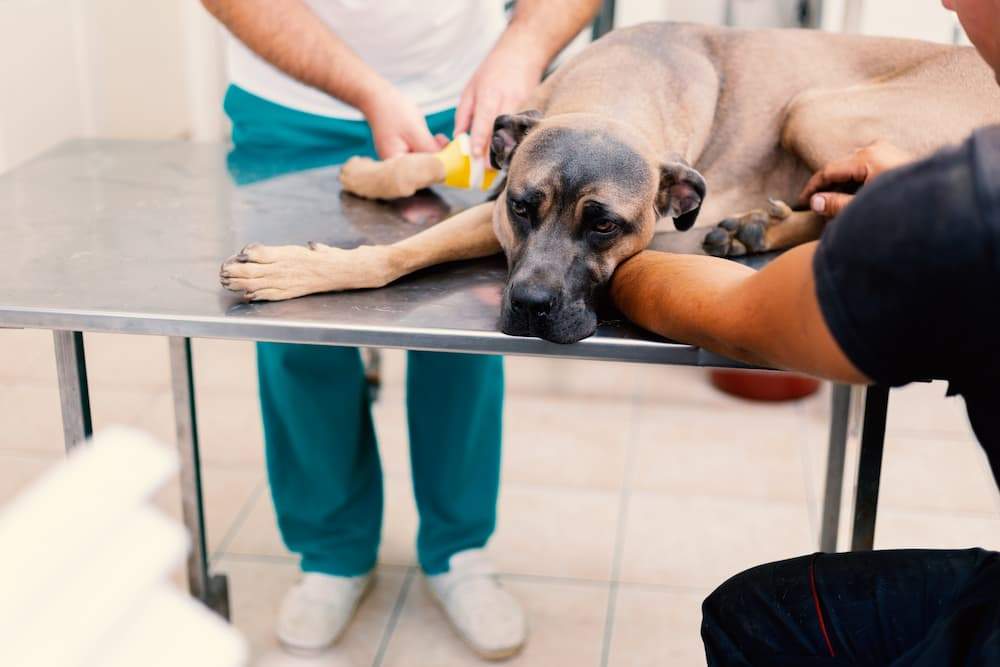
If your dog has suddenly started experiencing loose stools, recurring diarrhea, or seems a bit off after playing outside or drinking from a puddle, you might be wondering what’s going on. Giardia in dogs is a common intestinal parasite that can affect fur-babies of all ages, and it’s one that many pet parents don’t think about until symptoms appear.
Fortunately, with the right knowledge and care, Giardia is treatable and manageable – and your dog can get back to feeling like themselves soon.
What Is Giardia in Dogs?
Giardia is a microscopic, single‑celled parasite that lives in the intestines of infected animals, including dogs. It’s most often transmitted through contaminated water, soil, or feces.
When a dog ingests Giardia cysts (the hardy form of the parasite), the cysts travel to the small intestine, where they hatch and reproduce. Giardia interferes with nutrient absorption and can cause inflammation of the intestinal lining, leading to digestive upset.
This parasite is common in environments where animals gather, including dog parks, kennels, and even backyard yards where wildlife or neighborhood dogs roam. Puppies and dogs with weakened immune systems are especially vulnerable, though any dog can become infected if they encounter Giardia cysts.
Symptoms of Giardia in Dogs
Symptoms of giardia in dogs can vary based on your pup’s age, health, and immune response. Some dogs show signs right away, while others may have chronic, subtle symptoms that come and go. Here are the most common ones to watch for:
- Loose or Watery Diarrhea: Frequent, soft stools are one of the hallmark signs of a Giardia infection. The stool may be pale, greasy, or malodorous due to poor nutrient absorption.
- Mucus in Stool: Giardia can irritate the intestinal lining, leading to mucus‑coated feces. This may look like a slimy coating in the stool or on properly scooped piles.
- Sudden Weight Loss: If your dog’s body isn’t absorbing nutrients properly, you might notice gradual weight loss even though their appetite remains the same.
- Abdominal Discomfort: Dogs may show signs of abdominal pain or cramping, such as whining when touched around the belly, restlessness, or adopting a hunched posture.
- Flatulence: Increased gas can be a sign of intestinal irritation and nutrient malabsorption caused by Giardia.
- Lethargy: Ongoing digestive discomfort can make your dog seem less energetic or enthusiastic about play or walks.
Some dogs can carry Giardia without showing clear symptoms, which is why routine vet care and fecal testing are important, especially if your dog has repeated bouts of diarrhea.
Causes of Giardia in Dogs
Understanding what causes Giardia infections helps you take steps to protect your dog. Giardia spreads through microscopic cysts that are shed in the feces of infected animals. Once in the environment, these cysts can survive for weeks in cool, moist conditions.
- Contaminated Water Sources: Puddles, lakes, streams, or even standing water in your yard can harbor Giardia cysts. Dogs love to explore and drink from these sources, which makes them a common route of infection.
- Ingestion of Contaminated Feces: Dogs that sniff, lick, or eat feces from other animals may ingest Giardia cysts. This can occur in dog parks, backyards, or multi‑dog households.
- Shared Environments: Places where many animals congregate, like doggy daycares, boarding facilities, and grooming salons, can facilitate the spread of Giardia if sanitation isn’t a priority.
- Young or Immunocompromised Dogs: Puppies and dogs with weakened immune systems are more likely to become infected and show symptoms because their bodies can’t fight off the parasite as effectively.
- Poor Hygiene or Sanitation: If your dog’s environment isn’t regularly cleaned and disinfected, Giardia cysts can accumulate and increase the risk of infection.
Giardia doesn’t discriminate – even indoor dogs can become infected if they’re exposed to cysts via contaminated shoes, hands, or other animals.

How Veterinarians Diagnose Giardia in Dogs
If your dog is showing symptoms consistent with Giardia, your veterinarian will take a systematic approach to diagnosis so you can get answers and begin treatment.
During your visit, the vet will:
- Discuss your dog’s history and symptoms, including when the diarrhea started, any recent water exposure, dietary changes, or contact with other dogs.
- Perform a physical exam, checking your dog’s body condition, abdominal comfort, hydration status, and overall health.
- Order a fecal test, since Giardia cysts are shed intermittently, the most reliable tests may require multiple fecal samples collected over a few days. These samples are evaluated for the presence of Giardia organisms or antigens.
- Conduct additional testing if needed. In some cases, your vet might recommend bloodwork or other tests to rule out co‑existing conditions that could worsen symptoms or complicate treatment.
Treatment of Giardia in Dogs
Once Giardia is confirmed, your veterinarian will recommend a treatment plan aimed at clearing the parasite and supporting your dog’s recovery. Treatment typically includes:
- Prescription Antiparasitic Medications – Vets commonly use medications such as fenbendazole or metronidazole to eliminate Giardia. Your vet will tell you exactly how to administer these drugs safely.
- Supportive Care for Dehydration – If your dog has significant diarrhea or isn’t drinking well, your vet may recommend fluid therapy to prevent dehydration and maintain electrolyte balance.
- Probiotics and Digestive Support -Probiotic supplements can help restore healthy gut flora that may be disrupted by Giardia and its associated diarrhea.
- Dietary Management – A bland or easily digestible diet during recovery can make a big difference in your dog’s comfort. Your vet can suggest options that are gentle on the digestive system.
- Environmental Disinfection – Treating your dog isn’t enough if the environment remains contaminated. Cleaning and disinfecting surfaces helps break the cycle of reinfection.
- Bathing – Regular bathing of an infected pet is important for removing cysts from the coat and limiting reinfection.
Pet owners often ask what is used to treat Giardia in dogs, and the answer is a combination of parasite‑specific medication and supportive care tailored to your dog’s needs. Always follow your vet’s directions and complete the full course of medication even if symptoms improve before the course is done.
Recovery and Management of Giardia in Dogs
The recovery process for Giardia generally takes a few weeks. With prompt treatment, many dogs respond quickly, and diarrhea improves within a few days. However, it’s important to continue care as directed to ensure the parasite is fully eliminated.
During recovery, keep your dog’s environment clean and dry. Wash bedding frequently in hot water, disinfect floors, and remove any feces from the yard right away. Encourage your dog to drink plenty of fresh water to stay hydrated, and consider offering small, frequent meals of a vet‑recommended diet until their stool normalizes.
If symptoms return after initial improvement, contact your veterinarian. Giardia can sometimes require a second round of treatment or adjustments to diet or environment.
Because Giardia can be passed between animals, you may need to limit contact between your infected dog and other pets until treatment is complete and fecal tests confirm clearance.
Managing Giardia goes beyond simply treating your dog’s symptoms; it’s about supporting their gut health and preventing ongoing exposure.
Prevention of Giardia in Dogs
While not all cases of Giardia can be prevented, you can significantly reduce your dog’s risk by following some practical habits:
- Provide Clean Drinking Water – Avoid letting your dog drink from puddles, streams, or standing water. These sources are common carriers of Giardia cysts.
- Pick Up Feces Promptly – Remove dog feces from the yard and public spaces as soon as possible to reduce environmental contamination.
- Practice Good Hygiene – Wash your hands and your dog’s paws after walks or park visits, especially if they’ve been sniffing or licking the ground.
- Disinfect Shared Areas – If your dog attends daycare or boarding, ensure the facility follows strict cleaning protocols.
- Routine Veterinary Care – Regular fecal exams can help detect Giardia early, even before symptoms become severe.
- Safe Socialization – When visiting dog parks or playdates, observe for signs of diarrhea in other dogs and avoid communal water bowls or areas where dogs frequent.
Need Veterinary Assistance? Find an UrgentVet Near You!
If your dog is showing signs of diarrhea, loose stools, lethargy, or digestive upset, don’t wait. Prompt care can prevent discomfort and help avoid major complications. UrgentVet offers walk‑in and same‑day appointments to diagnose and treat conditions like Giardia, so you can get answers and relief for your pet quickly.
Schedule online or stop by your neighborhood UrgentVet location today to make sure your dog gets the compassionate care they deserve.
Giardia in Dogs FAQs
How do dogs get Giardia?
Dogs become infected when they ingest Giardia cysts from contaminated water, soil, or feces. Even a quick sniff or lick of a contaminated surface can expose your dog to Giardia.
How long does it take for Giardia to go away in dogs?
With proper treatment, many dogs begin to show improvement in a few days, but full recovery and elimination of the parasite often take 2–4 weeks. Follow‑up fecal testing may be recommended to confirm that the infection is gone.
Can I get Giardia from my dog licking me?
Giardia can spread to humans, although it’s uncommon. Good hygiene, such as washing hands after petting or cleaning up after your dog, helps minimize risk.
Can humans be harmed by Giardia?
Yes, Giardia can cause gastrointestinal symptoms in people, including diarrhea and stomach upset. Children, older adults, and those with weakened immune systems are at higher risk of symptoms.
What is the treatment for Giardia in dogs?
Treatment involves prescription antiparasitic medications, supportive care to manage dehydration and diarrhea, and diet changes. Your veterinarian will tailor the plan based on your dog’s age, symptoms, and overall health.
What happens if Giardia is left untreated in dogs?
If left untreated, Giardia can lead to ongoing diarrhea, weight loss, dehydration, and poor nutrient absorption. Chronic infection may weaken your dog’s immune system and contribute to other health issues.
Photo Credit: Robert Petrovic / Shutterstock