Saying goodbye to a pet is one of the most difficult experiences a pet parent can face. It is natural to feel a wave of guilt or fear, but it is important to remember that these emotions stem from a place of deep love and compassion. You want to protect your cat from pain and honor the unique bond you share. Understanding and deciding when to put your cat down, is a hard situation to navigate.
This guide from UrgentVet, is designed to explain the process of cat euthanasia and help you recognize the signs that it may be time to say goodbye. Choosing a peaceful passing is not “giving up” on your pet; it is a final, kind act to end their suffering. Please know that you are not alone during this difficult journey.
When Is It Time To Put a Cat Down?
Deciding when the time is right to put your cat down depends on a variety of factors, and unfortunately, there is rarely one single “clear sign.” Instead, it is a matter of considering your cat’s physical health alongside their daily happiness.
While your veterinarian can provide an essential medical perspective and explain the progression of a disease, you know your cat’s personality and “normal” better than anyone. Because cats are masters at masking illness and pain, it is important to look closely for subtle changes in their behavior before their condition worsens.
Reflect on Your Cat’s Health
As cats age, chronic illnesses can significantly impact their quality of life. Conditions like kidney failure or cancer can cause your cat to feel persistently unwell. You may notice them:
- Vomiting frequently or losing weight rapidly.
- Stopping or significantly decreasing their water intake.
- Displaying muscle weakness or a “sunken” appearance.
- Struggling with labored or shallow breathing.
Pay close attention to changes in basic functions: eating, drinking, urination, and defecation. Mobility is also a major indicator of health. Many elderly cats suffer from severe arthritis, which may lead them to stop using the litter box because it is too difficult to climb into or too far away. If your cat’s world has become very small—limited to a single spot because they can no longer walk to their food bowl or jump on the bed—their quality of life is likely declining.
Observe Your Cat’s Behavior & Attitude
Think about the things that make your cat unique. Are they still able to enjoy their favorite activities, like bird watching, playing with a specific toy, or purring when petted? A cat that no longer engages with the world is likely struggling.
Pain can also manifest as behavioral changes. Some cats become uncharacteristically aggressive, hissing or biting when touched because they are hurting. Others may hide in dark, isolated places like closets or under beds. While hiding is a natural instinct for a vulnerable animal, in a domestic cat, it is often a clear signal of significant distress.
Consider Your Principles
Many owners hope their cat will pass away naturally at home, but it is important to understand that an unmedicated death is not always peaceful. It can involve prolonged periods of respiratory distress or physical discomfort.
Euthanasia provides a gentle, painless, and controlled end. Often described as “falling asleep,” the procedure is quick and ensures your cat’s final moments are free from struggle. Talk with your family about your goals for your pet’s end-of-life care. Whether you choose to pursue every possible treatment or opt for an early, peaceful passing, recognize that your choice is valid as long as it is made with your cat’s best interest at heart.
Account for Your Pet Care Budget
Finances are a practical and unavoidable part of pet care. Extensive, life-prolonging treatments for terminal conditions can be very expensive. Financial stress can compound the emotional weight of a terminal diagnosis, but being unable to afford high-cost specialty care does not make you a bad pet owner.
Be honest with your veterinarian about your budget. They can provide a realistic outlook on the costs of future care and help you navigate your options. In many cases, euthanasia is the most compassionate choice to prevent a pet from suffering when medical costs become insurmountable.
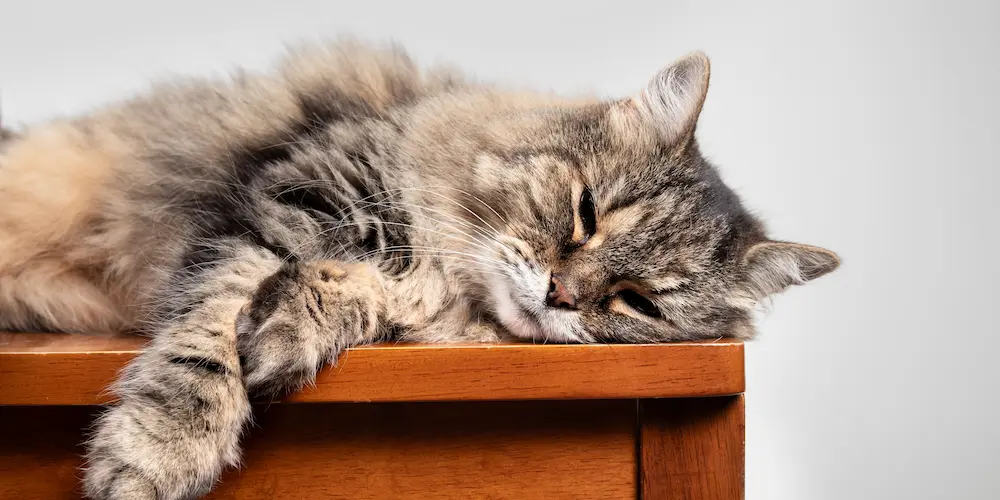
Cat Quality-of-Life Assessment Tool
When emotions are high, it can be helpful to use an objective tool to track your cat’s well-being. These methods help you see trends rather than focusing on a single moment in time.
You can also use a scoring system. Rate these areas from one to ten:
- Hurt: Is the cat in pain? Can the pain be managed?
- Hunger: Is the cat eating enough? Do they need a tube to eat?
- Hydration: Is the cat drinking? Are they dehydrated?
- Hygiene: Can the cat keep themselves clean? Are they lying in their own waste?
- Happiness: Does the cat seem happy? Do they respond to you?
- Mobility: Can the cat get up and move around?
- More Good Days than Bad: This is the most important part.
If the score is low in most areas, it is time to talk about the end. This tool helps remove some of the emotion. It lets you see the facts. It gives you a checklist to follow.
Who Can Help With Cat Euthanasia?
Your primary veterinarian is the best place to start. They know your cat’s history, and they can perform the procedure in their office. Some vets even offer home visits. This allows your cat to stay in a familiar place, which can be less stressful for them.
There are also mobile veterinary services with vets who specialize in end-of-life care. They come to your house and explain the entire process and options.
Urgent care clinics can also help. If your cat’s health fails suddenly when your primary veterinarian’s office is closed, you might need their services for immediate assistance.
Need Compassionate End-of-Life Care? Find an UrgentVet Clinic In Your Area
We understand that this is an incredibly painful time. You love your cat, and you want what is best for them—even when the best thing is a peaceful goodbye.
If you are struggling to evaluate your cat’s quality of life or are facing a sudden health crisis, UrgentVet is here to help. We provide a calm, respectful environment to help you make the hardest choice with peace of mind. Our compassionate team members are located across the U.S. Find an UrgentVet Clinic location in your area for assistance.
How Do You Know When To Put a Cat Down FAQs
How much does euthanasia cost for a cat?
Costs vary by location and whether you choose an in-office or at-home visit. Generally, cremation is a separate fee. You can choose communal cremation or private cremation if you wish to have your cat’s ashes returned to you.

How do I know if my elderly cat is suffering?
Cats hide pain; it can help to look for changes in behavior or appearance. There might be subtle signs like a hunched back, squinted eyes, lack of purring, pale gums, avoiding contact, fast breathing, or changes in eating, drinking, and behavior.
What is the "look" people talk about?
Many owners describe a moment where they look into their cat’s eyes and see a profound sense of tiredness. Trust your intuition; you have a lifetime of experience understanding your cat’s non-verbal cues.
Photographer: sophiecat / Shutterstock