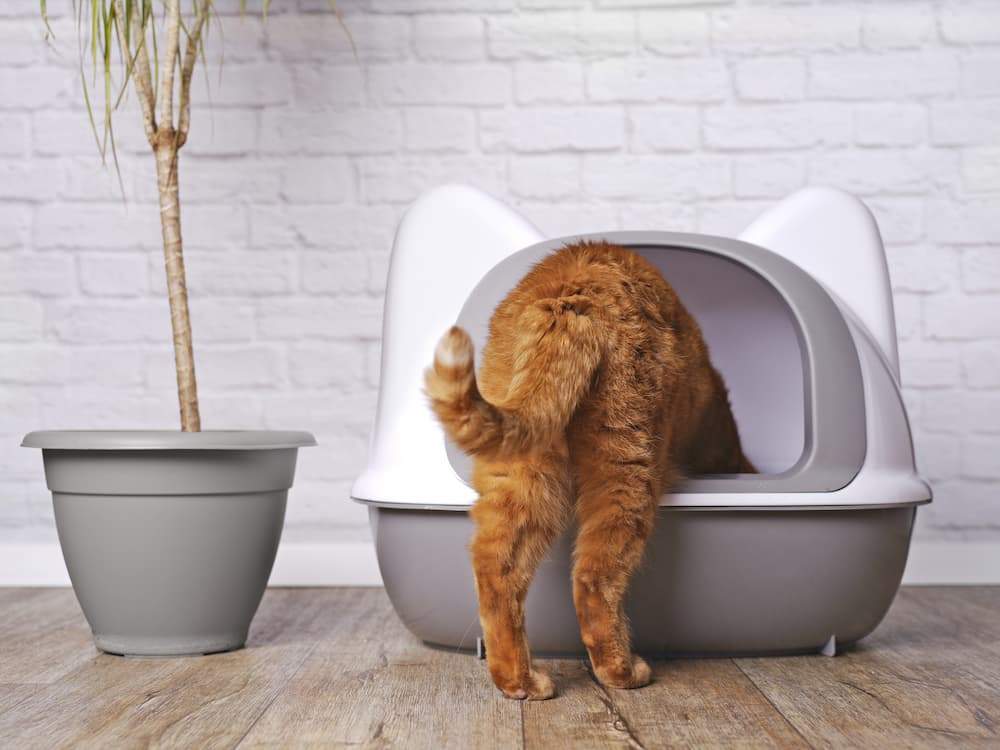
Diarrhea in cats is common, but that doesn’t make it easy to brush off – especially when your cat seems uncomfortable, is visiting the litter box more often, or just isn’t acting like themselves. Sometimes cat diarrhea passes on its own with a little home care. Other times, it’s a sign that something more serious is going on.
This guide is designed to help you understand why cats get diarrhea, what symptoms to watch for, and when it’s time to seek veterinary care. Most importantly, you’ll know what steps to take next so you can feel confident caring for your cat.
What Causes Cat Diarrhea?
Diarrhea isn’t a diagnosis on its own. It’s a symptom that can have many different causes, ranging from mild digestive upset to underlying illness. Some of the most common reasons cats develop diarrhea include:
- Sudden diet changes are often the cause of diarrhea in cats. Switching foods too quickly, offering rich treats, or sneaking human food can overwhelm a cat’s digestive system.
- Food intolerances or allergies may also cause ongoing loose stools.
- Parasites such as roundworms, hookworms, Giardia, or coccidia are especially common in kittens and cats that go outdoors or live in multi-cat environments.
- Infections (both bacterial and viral) can irritate the intestinal tract and disrupt normal digestion.
- Stress plays a role, too. Travel, boarding, new pets, changes in routine, or moving homes can all trigger gastrointestinal upset in sensitive cats.
- Certain medications, including antibiotics, may disrupt healthy gut bacteria and lead to diarrhea as a side effect.
- Chronic conditions like inflammatory bowel disease (IBD), hyperthyroidism, pancreatitis, or liver disease can cause persistent or recurring diarrhea.
Because the causes vary so widely, paying attention to other symptoms and how long the diarrhea lasts is key.
Signs and Symptoms of Diarrhea in Cats
Diarrhea isn’t always just watery stool. Some cats have soft or pudding-like bowel movements, while others may have liquid stool that’s difficult to control. You might also notice changes in frequency, with your cat using the litter box more often or straining to go.
Other symptoms that often show up alongside diarrhea include:
- Mucus or blood in the stool
- Foul odor
- Gas and bloating
- Abdominal discomfort
- Visible cramping
- Some cats vocalize when using the litter box or hide afterward
Systemic signs of cat diarrhea are especially important to watch for, including:
- Lethargy
- Decreased appetite
- Vomiting
- Weight loss
- Dehydration
- Changes in behavior
These systematic symptoms and signs suggest that diarrhea may be affecting your cat’s overall health, not just their digestive tract.
Kittens, senior cats, and cats with underlying health conditions can decline more quickly, so even subtle changes matter.
When To Go To the Veterinarian for Cat Diarrhea
For many pet parents, the hardest part is knowing whether diarrhea will resolve on its own or whether it’s time to see a vet. In general, you should seek veterinary care right away if your cat shows any of the following red flags:
- Diarrhea lasting longer than 24–48 hours, especially if it’s not improving
- Blood or large amounts of mucus in the stool
- Black, tarry stools, which may indicate internal bleeding
- Repeated vomiting along with diarrhea
- Refusal to eat or drink
- Signs of dehydration, such as dry gums or sunken eyes
- Lethargy, weakness, or collapse
- Abdominal pain or bloating
- Diarrhea in kittens under six months old
If your cat has a known chronic condition, is pregnant, or recently ingested something toxic, don’t wait. Prompt veterinary care can prevent complications and help your cat feel better sooner.
Cat Diarrhea Treatment Plan
If your cat is otherwise bright, alert, and only mildly affected, short-term home care may be appropriate. An effective cat diarrhea treatment approach focuses on supporting digestion, preventing dehydration, and watching closely for changes.
1. Change Your Cat’s Food
Giving the digestive system a break with a change in cat food is often the first step. Your veterinarian may recommend a bland, easily digestible diet or a prescription gastrointestinal food. Sudden fasting is generally not recommended for cats, especially kittens, but offering smaller, more frequent meals can help.
If you suspect the diarrhea is related to a recent food change, revert to the previous diet if possible and transition more slowly once stools normalize.
2. Fiber
Fiber can help regulate bowel movements by absorbing excess water and improving stool consistency. Soluble fiber sources, such as pumpkin formulated for pets or veterinarian-recommended fiber supplements, may be helpful in some cases.
Fiber isn’t appropriate for every cat, especially if there’s an obstruction or certain medical conditions, so it’s best used under veterinary guidance.
3. Encourage Water and Electrolyte Intake
Diarrhea causes fluid loss, and dehydration can become dangerous quickly. Make sure fresh water is always available. Some cats drink more readily from fountains or wide bowls.
In certain cases, veterinarian-approved oral electrolyte solutions may be recommended, but never force fluids unless directed by a professional.
4. Probiotics Formulated For Cats
Probiotics help restore healthy gut bacteria that support digestion and immune function. Veterinary-specific probiotic products are preferred, as they’re formulated for cats and contain strains shown to be beneficial.
Avoid giving human probiotics unless your veterinarian specifically approves them.
5. Anti-Diarrheal Medications
Medications that slow intestinal movement or reduce inflammation may be prescribed by a veterinarian when appropriate. Never give over-the-counter human anti-diarrheal medications without veterinary approval, as many are unsafe for cats.
Monitoring Your Cat’s Condition
Careful monitoring is just as important as treatment. Track stool consistency, frequency, appetite, energy level, and hydration. Note whether symptoms are improving, staying the same, or worsening.
If diarrhea resolves within a day or two and your cat returns to normal behavior, you can gradually transition back to their regular diet. If symptoms persist or new signs develop, veterinary evaluation is needed. Trust your instincts – if something doesn’t feel right, it’s worth getting checked out.
How Vets Treat Diarrhea in Cats
When you bring your cat in for evaluation, the veterinarian will start by asking detailed questions. Be prepared to discuss diet changes, recent stressors, access to toxins or human food, parasite prevention, vaccination history, and how long the diarrhea has been present.
Diagnostic testing may include a fecal exam to check for parasites, bloodwork to assess organ function and hydration status, or imaging such as X-rays or ultrasound if an obstruction or internal disease is suspected. In chronic cases, additional testing may be recommended.
Treatment for cat diarrhea depends on the underlying cause. For a cat with diarrhea, treatment plan options may include prescription diets, deworming medications, antibiotics or anti-parasitic drugs, probiotics, anti-nausea medications, or fluid therapy. Cats that are dehydrated or very ill may require subcutaneous or intravenous fluids.
The goal is not just to stop the diarrhea, but to address what’s causing it so your cat can heal fully.
Preventing Diarrhea in Cats and Kittens
Not all cases of diarrhea in cats and kittens are preventable, but there are steps you can take to reduce the risk:
- Make food transitions slowly over at least a week.
- Keep trash, toxic plants, and human food out of reach.
- Maintain routine parasite prevention and vaccinations as recommended by your veterinarian.
Reducing stress, providing a consistent environment, and scheduling regular wellness exams can help catch issues early. Good preventive care supports long-term digestive health.
Need Immediate Veterinary Assistance? Find an UrgentVet Near You!
If your cat’s diarrhea is severe, isn’t improving, or comes with other concerning symptoms, UrgentVet is here when you need support. With urgent vet care clinics located across the U.S., you can walk in or schedule an appointment online for prompt, compassionate care.
And if you’re on the fence about whether home care is enough, our veterinary teams can help you decide what’s best and guide you through next steps with clarity and reassurance. Visit your neighborhood UrgentVet location for trusted care that puts your cat’s comfort and health first.
Cat Diarrhea Treatment FAQs
Can you give cats Pepto Bismol®?
No. Pepto Bismol® contains salicylates, which are toxic to cats and can cause serious harm. Never give this medication to your cat. Always consult a veterinarian before administering any medication.
What can I give kittens for diarrhea?
Kittens are especially vulnerable to dehydration and parasites, so diarrhea should always be taken seriously. Do not give home remedies or medications without veterinary guidance. Kittens with diarrhea should be evaluated promptly by a veterinarian.
Will yogurt help a with cat diarrhea?
Yogurt is not recommended for cats. Most cats are lactose intolerant, and dairy can worsen diarrhea. If probiotics are needed, use veterinarian-approved products designed specifically for cats.
What should I feed my cat when they have diarrhea?
Veterinarians often recommend bland or prescription gastrointestinal diets that are easy to digest. Avoid rich treats, table scraps, or sudden food changes during recovery.
How long does diarrhea usually last in cats?
Mild cases may resolve within 24–48 hours. Diarrhea that lasts longer, worsens, or keeps returning should be evaluated by a veterinarian to determine the cause.
Is diarrhea contagious between cats?
Some causes, such as parasites or infectious diseases, can spread between cats. Good hygiene, litter box cleaning, and prompt veterinary care help reduce transmission risk.
Can stress alone cause diarrhea in cats?
Yes. Stress can disrupt digestion and trigger diarrhea in some cats. Addressing the underlying stressor and providing a calm environment can help resolve symptoms, but persistent diarrhea still warrants veterinary evaluation.
Photo Credit: Lightspruch / Shutterstock